Jul 28, 2026
Top 7 Signs You Need to Replace Your Brake Pads
Brake pads are one of the most critical safety components in any vehicle. Knowing when to replace them can prevent accidents, protect your brake rotors from damage, and save money...
Brake pads are one of the most critical safety components in any vehicle. Knowing when to replace them can prevent accidents, protect your brake rotors from damage, and save money on costly repairs. Whether you are a distributor advising customers or a fleet manager maintaining vehicles, understanding these warning signs is essential.
Why Brake Pad Replacement Matters
Worn brake pads do not just reduce stopping power — they can damage expensive brake rotors, increase stopping distances, and create dangerous driving conditions. Replacing brake pads at the right time is a small investment that prevents much larger repair bills.
The 7 Warning Signs of Worn Brake Pads
- Squealing or Screeching Noise
What it sounds like: A high-pitched squeal when you apply the brakes.
Why it happens: Most brake pads have a built-in wear indicator — a small metal tab that contacts the brake rotor when the friction material wears down to a certain level. This creates the squealing sound as an early warning.
What to do: This is the first warning sign. Have your brake pads inspected within the next few hundred kilometers. You still have some life left, but replacement should be planned soon.
Important note: Squealing can also occur temporarily after rain or in humid conditions. If the noise goes away after a few brake applications, it is likely just surface moisture and not a wear indicator.
- Grinding Noise
What it sounds like: A harsh, metal-on-metal grinding sound when braking.
Why it happens: The brake pad friction material has worn completely through, and the metal backing plate is now contacting the brake rotor directly.
What to do: Stop driving and replace the brake pads immediately. This condition causes rapid rotor damage and significantly reduces braking effectiveness. Continuing to drive will likely require rotor replacement as well, multiplying the repair cost.
- Reduced Braking Performance
What it feels like: The vehicle takes longer to stop, the brake pedal feels soft or spongy, or you need to press harder than usual.
Why it happens: Thin brake pads have less friction material to generate stopping force. In some cases, overheated pads can also develop a glazed surface that reduces friction.
What to do: Have your braking system inspected immediately. Reduced braking performance is a serious safety concern, especially in emergency situations or wet weather conditions.
- Brake Warning Light
What you see: The brake warning light or ABS light illuminates on the dashboard.
Why it happens: Many modern vehicles have electronic brake pad wear sensors that trigger a dashboard warning when pads reach minimum thickness. Some systems also monitor brake fluid levels, which can drop as pads wear.
What to do: Check your brake pads as soon as possible. While the light can sometimes indicate other issues, brake pad wear is the most common cause.
- Vehicle Pulls to One Side When Braking
What it feels like: The vehicle pulls to the left or right when you apply the brakes.
Why it happens: Uneven brake pad wear can cause one side to brake more aggressively than the other. This can result from a stuck caliper, contaminated pads, or simply different wear rates on each side.
What to do: Have both sides of the braking system inspected. Uneven braking is not just a comfort issue — it can cause the vehicle to pull unexpectedly during emergency stops.
- Visible Pad Thickness Through the Wheels
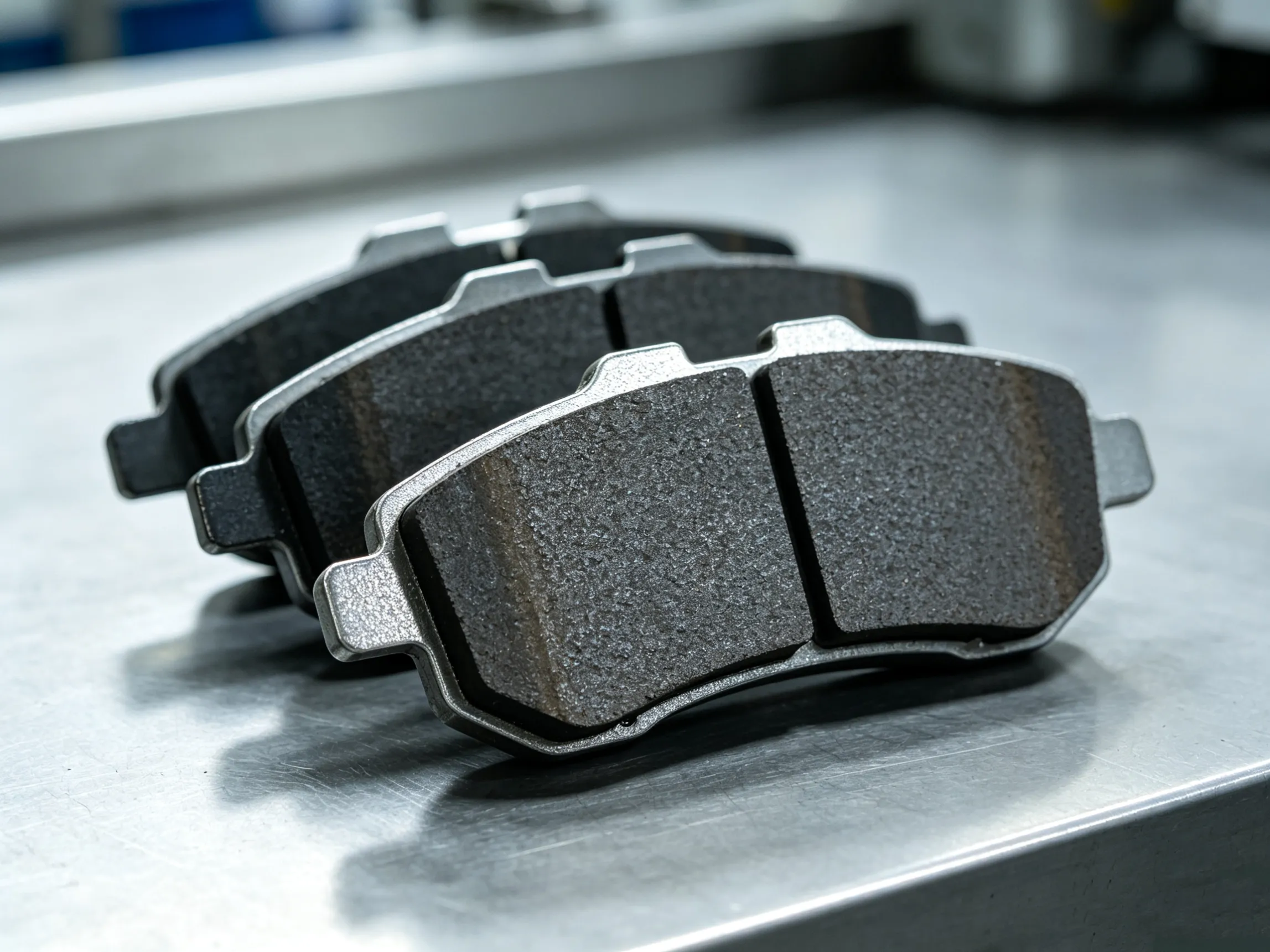
What to look for: If your wheels have open spoke designs, you may be able to see the brake pads through the gaps. The friction material should be at least 3-4mm thick.
Why it matters: Visual inspection is the quickest way to check brake pad condition without removing the wheels.
What to do: If the friction material looks thin (less than 3mm), schedule a replacement. If you can see the metal backing plate, replace immediately.
- Vibration or Pulsation in the Brake Pedal
What it feels like: The brake pedal vibrates or pulses when you press it, especially at higher speeds.
Why it happens: While this can indicate warped rotors, it is often caused by unevenly worn brake pads that create inconsistent contact with the rotor surface.
What to do: Have the rotors and pads inspected together. In many cases, replacing the brake pads and resurfacing or replacing the rotors will solve the problem.
How Often Should Brake Pads Be Replaced?
There is no single answer — replacement intervals depend on several factors:
Typical lifespan ranges:
- City driving: 30,000 - 50,000 km
- Highway driving: 50,000 - 80,000 km
- Heavy-duty or commercial use: 20,000 - 40,000 km
Factors that affect brake pad life:
- Driving style: Aggressive braking wears pads faster
- Vehicle weight: Heavier vehicles wear pads faster
- Brake pad material: Ceramic lasts longer than NAO, semi-metallic is in between
- Climate: Stop-and-go traffic and mountain driving accelerate wear
- Load: Frequently carrying heavy loads increases wear
Recommended inspection schedule:
- Every 10,000 - 15,000 km or at every tire rotation
- Before long trips
- When any of the above warning signs appear
The Cost of Waiting Too Long
Replacing just brake pads: Moderate cost, routine maintenance.
Replacing brake pads and rotors: 3-5x the cost of pads alone.
Brake failure in emergency: Incalculable.
Worn rotors scored by metal-on-metal contact often cannot be resurfaced and must be replaced entirely. A set of brake pads that costs a few dollars to replace can lead to rotor replacement costs of hundreds of dollars if ignored.
Tips for Distributors and Fleet Managers
For auto parts distributors:
- Educate customers about the 7 warning signs — it builds trust and drives repeat sales
- Stock brake pads for the most common vehicles in your market (Toyota, Honda, Hyundai are top sellers in most regions)
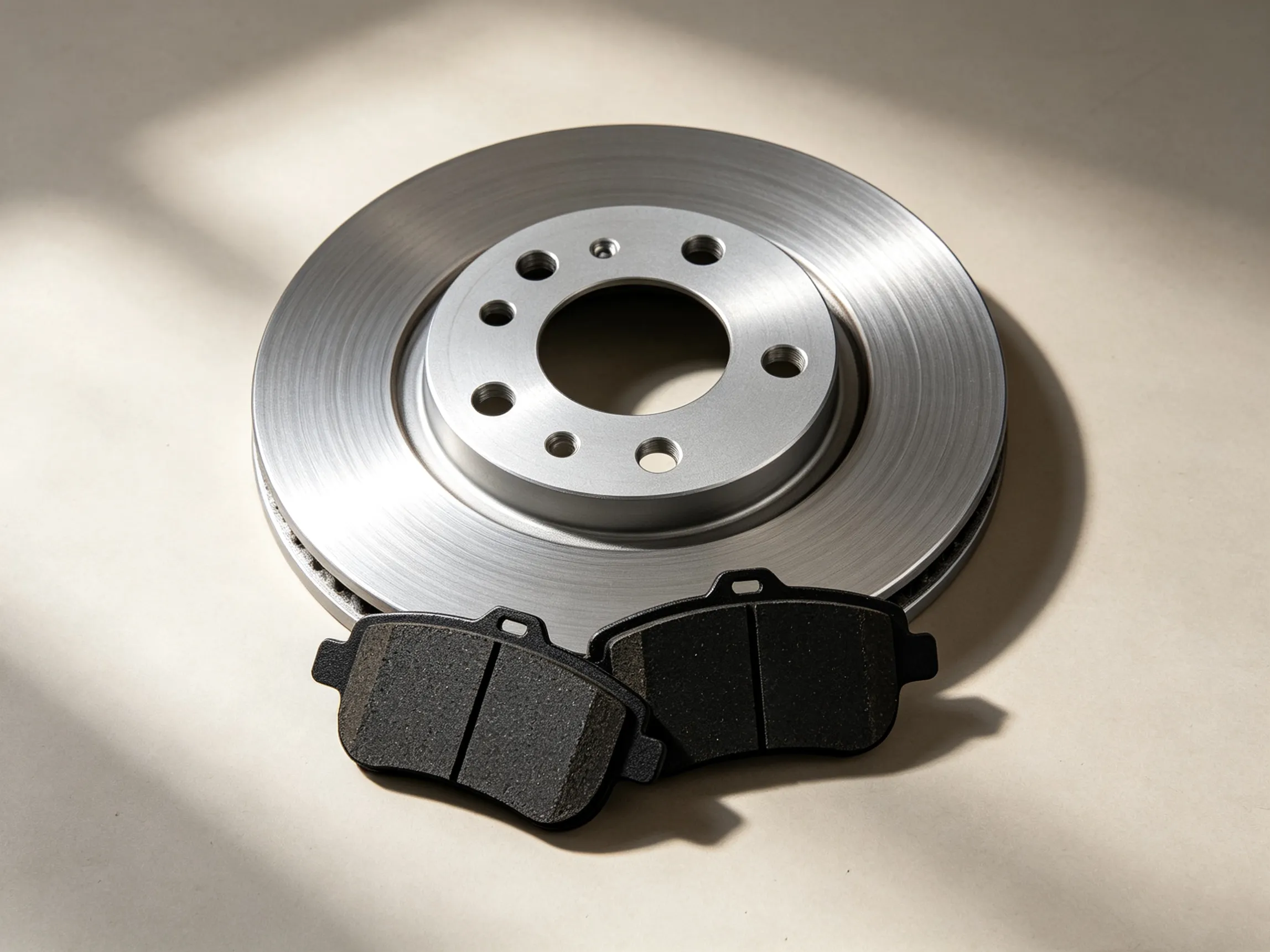
- Offer brake pad bundles with rotors for customers who need complete brake service
- Carry multiple material options (NAO, semi-metallic, ceramic) to serve different customer segments
For fleet managers:
- Implement regular brake inspection schedules across the fleet
- Track brake pad replacement intervals by vehicle to optimize purchasing
- Consider semi-metallic or ceramic pads for vehicles with heavy use — the longer lifespan offsets the higher initial cost
- Keep a small inventory of common brake pad numbers to minimize vehicle downtime
When in Doubt, Replace Early
Brake pads are a wear item — they are designed to be replaced. The cost of replacing them a few thousand kilometers early is negligible compared to the risk of waiting too long. When in doubt, choose safety.
Need brake pads for your fleet or business? Contact Yuanqiaofeng (Dongguan) Import & Export Co., Ltd. for quality brake pads at competitive wholesale prices. We stock pads for Toyota, Honda, Hyundai, BMW, Mercedes, VW, Nissan, Ford and 20+ other brands.
Phone/WhatsApp: +86 158 2081 6709
Email: 15820816709@163.com