
Aug 16, 2026Product Knowledge
Understanding Brake Pad Materials: NAO, Semi-Metallic, and Ceramic Explained
Complete guide to brake pad materials for import buyers. Compare NAO, semi-metallic, and ceramic brake pads — pros, cons, pricing, and which markets prefer each type.
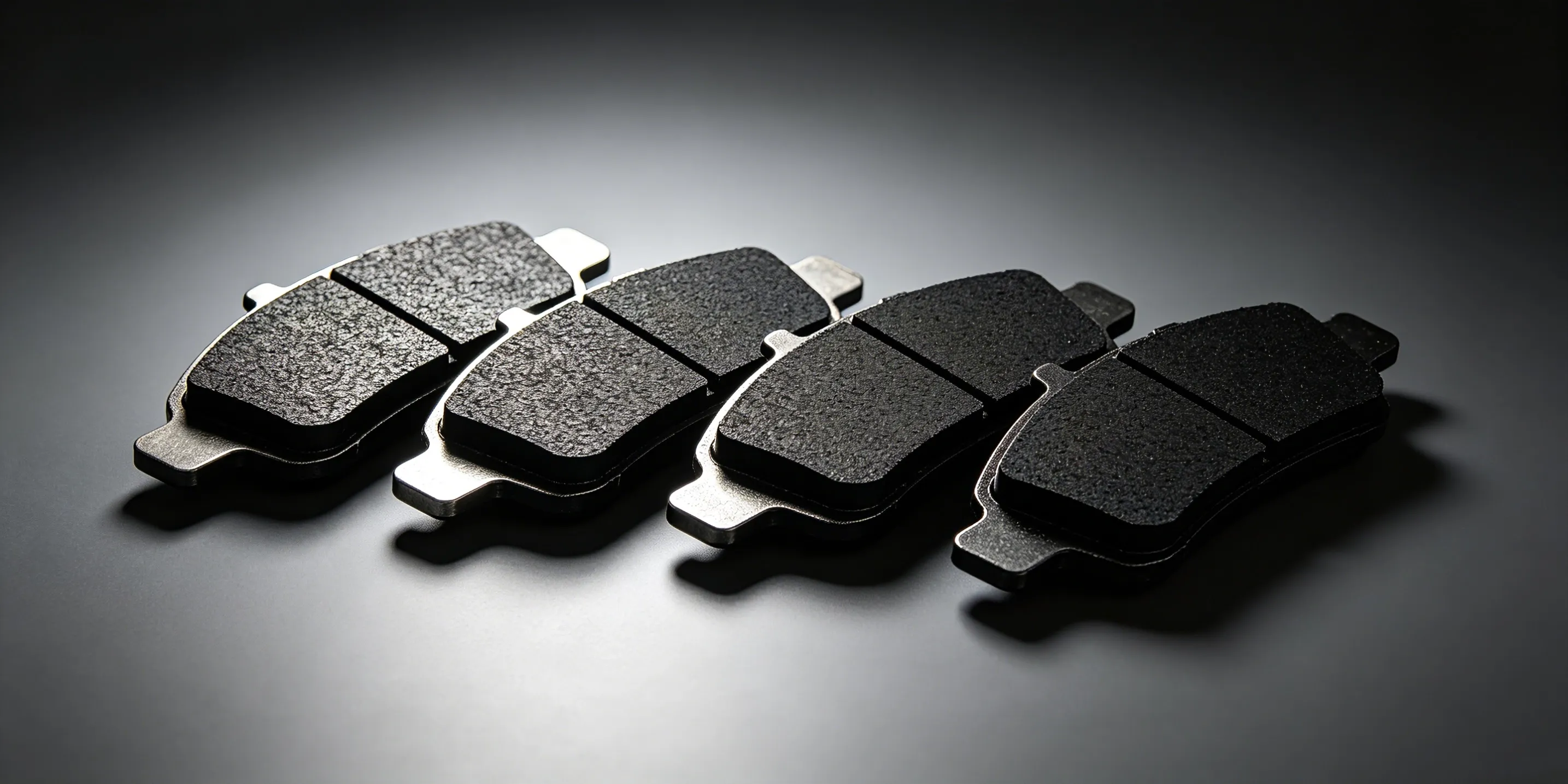
Choosing the right brake pad material is one of the most important decisions for auto parts buyers. Different materials offer different performance characteristics, price points, and market appeal. This guide explains the three main types of brake pad materials to help you make informed purchasing decisions.
The Three Main Brake Pad Materials
- NAO (Non-Asbestos Organic)
NAO brake pads are the most common type found in passenger vehicles worldwide.
Composition:
- Rubber, glass, resins, and other organic fibers
- No metal content (hence "non-asbestos")
- Softer material compared to other types
Advantages:
- Quiet operation with minimal noise
- Gentle on brake rotors, causing less wear
- Lower cost, ideal for budget-conscious markets
- Good cold braking performance
Disadvantages:
- Faster wear rate than semi-metallic or ceramic
- Not suitable for heavy-duty or high-performance applications
- Can produce more brake dust
- Performance decreases at very high temperatures
Best for: Economy passenger cars, daily driving, markets where price is the primary concern
Popular markets: Africa, Southeast Asia, South America
- Semi-Metallic
Semi-metallic brake pads are the industry standard for performance and durability.
Composition:
- 30-65% metal content (steel wool, iron powder, copper)
- Mixed with friction modifiers and resins
- Harder and more durable than NAO
Advantages:
- Excellent heat dissipation and fade resistance
- Strong stopping power in all conditions
- Long-lasting and durable
- Good performance at both low and high temperatures
Disadvantages:
- Can be noisier than NAO or ceramic
- More aggressive on brake rotors
- Heavier than other types
- Can produce more brake dust than ceramic
Best for: Trucks, SUVs, performance vehicles, commercial vehicles
Popular markets: North America, Europe, Middle East, commercial fleet operators
- Ceramic
Ceramic brake pads represent the premium segment of the market.
Composition:
- Ceramic fibers, filler materials, and bonding agents
- May include small amounts of copper or other metals
- Advanced friction material technology
Advantages:
- Very quiet operation
- Minimal brake dust (keeps wheels cleaner)
- Excellent performance across temperature ranges
- Long lifespan with consistent performance
- Gentle on brake rotors
Disadvantages:
- Higher cost than NAO or semi-metallic
- May not provide enough initial bite for heavy vehicles
- Not ideal for extreme performance applications
- Requires good manufacturing quality to perform well
Best for: Premium passenger cars, luxury vehicles, drivers who value comfort and cleanliness
Popular markets: North America, Europe, Japan, Australia
How to Choose the Right Material for Your Market
Consider Your Customer Base
- Price sensitivity: High = NAO, Medium = Semi-Metallic, Low = Ceramic
- Vehicle type: Economy cars = NAO, Trucks/SUVs = Semi-Metallic, Luxury cars = Ceramic
- Climate: Moderate = NAO, All conditions = Semi-Metallic or Ceramic
- Driving style: City driving = NAO, Mixed/highway = Semi-Metallic, Highway/comfort = Ceramic
Regional Preferences
Africa and Middle East: NAO and semi-metallic are most popular. Price is a major factor. Durability in hot climates matters. Toyota, Honda, Hyundai applications dominate.
North America: Semi-metallic and ceramic dominate. Performance and longevity are priorities. Wide range of vehicle applications. Brand reputation matters more.
Europe: Ceramic gaining market share. ECE R90 certification required. Environmental concerns drive material choices. Premium brands dominate.
Southeast Asia: NAO for economy vehicles. Semi-metallic for commercial vehicles. Price remains the top priority. Japanese and Korean car applications.
Quality Indicators to Check
Physical Inspection
- Friction material density — Higher density generally means better quality
- Surface finish — Should be smooth and uniform
- Edge quality — Clean edges without crumbling or cracking
- Backing plate adhesion — Friction material should be firmly bonded
Documentation to Request
- Friction coefficient test reports — Should meet FF or GG ratings
- Wear rate data — Lower is better for longevity
- Heat resistance testing — Especially important for semi-metallic and ceramic
- Noise testing results — Important for ceramic and NAO pads
Certifications to Look For
- ECE R90 — Required for European markets
- IATF 16949 — Automotive quality management standard
- ISO 9001 — Basic quality management certification
- AMECA — Automotive Manufacturers Equipment Compliance Agency
Pricing Overview
Approximate price ranges per set (FOB China):
- NAO brake pads: 4.00
- Semi-metallic brake pads: 6.00
- Ceramic brake pads: 10.00
Prices vary based on vehicle application, order quantity, quality grade, and packaging requirements.
Tips for Buyers
- Start with your market — Know what your customers need before choosing materials
- Test samples — Always test different materials before committing to large orders
- Balance price and quality — The cheapest option is not always the best value
- Consider your brand positioning — Premium materials support premium pricing
- Stay informed — Brake pad technology continues to evolve
Conclusion
Understanding brake pad materials is essential for making smart purchasing decisions. NAO pads offer affordability for price-sensitive markets, semi-metallic provides the best balance of performance and value, and ceramic delivers premium quality for discerning customers.
The right choice depends on your target market, customer expectations, and business positioning. Many successful auto parts dealers carry all three types to serve different customer segments.
Need help choosing the right brake pad materials for your market? Contact Yuanqiaofeng (Dongguan) Import & Export Co., Ltd. for expert guidance and quality products.
Phone: +86 158 2081 6709