
Aug 16, 2026Product Knowledge
Brake Pad Quality Control: A Complete Inspection Guide for Importers
Essential quality control checklist for brake pad importers. Learn how to inspect materials, dimensions, bonding, and packaging before shipping from China.
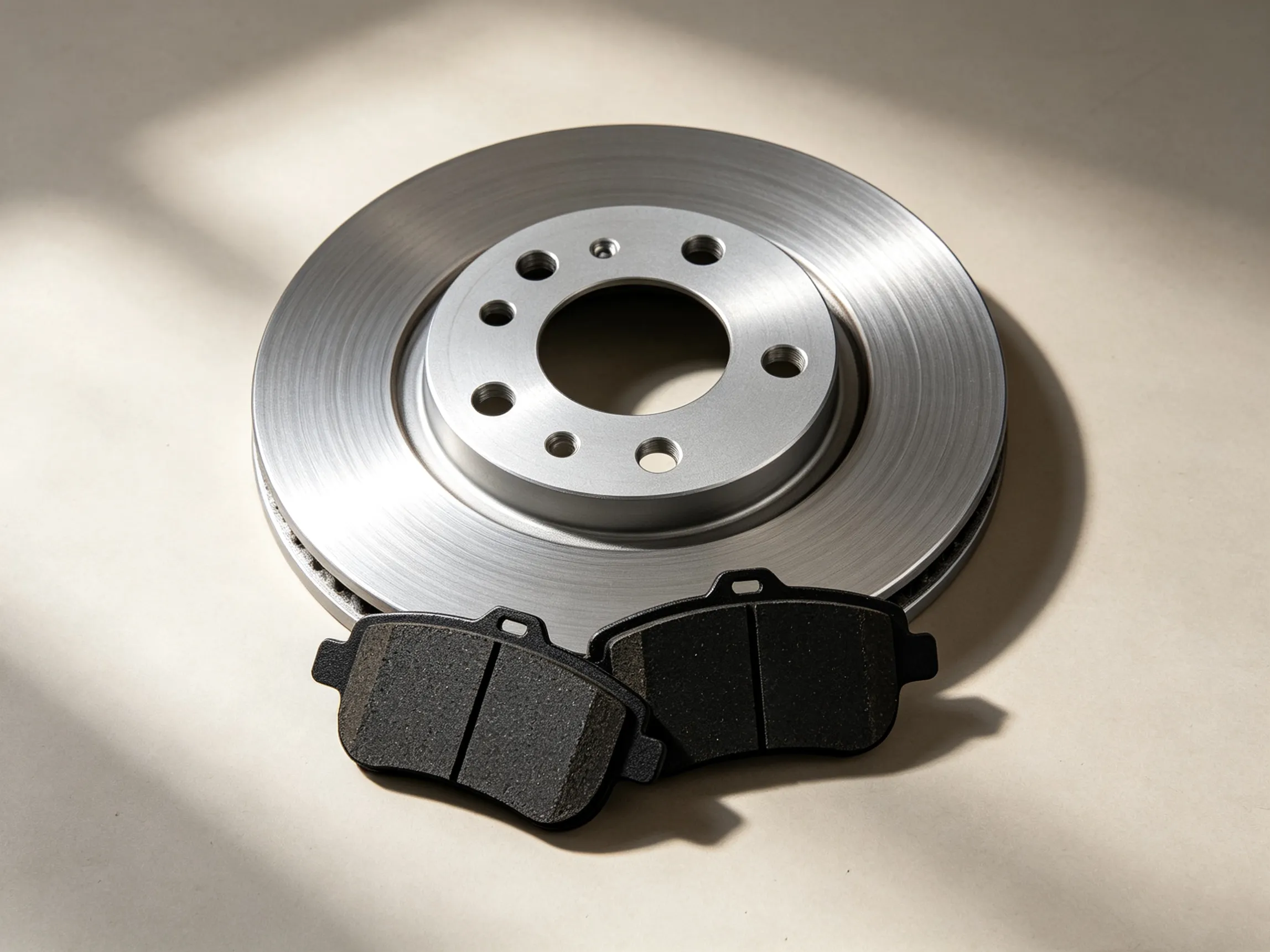
Brake pads are safety-critical components. Unlike decorative accessories or low-risk items, defective brake pads can cause accidents, injuries, and legal consequences. In many countries, selling brake pads that fail to meet local standards is illegal.
Why Quality Control Matters
A single bad batch can damage your reputation, trigger returns, and even create safety liabilities. That is why a solid inspection process is not optional and is essential.
Pre-Shipment Inspection Checklist
1. Visual Inspection
Every brake pad should pass a visual check:
• Surface finish: The friction surface should be smooth and uniform, with no cracks, chips, or uneven spots.
• Color consistency: Pads from the same batch should have consistent color.
• Edge quality: Edges should be clean and well-defined, not crumbly or chipped.
• Backing plate: The steel backing plate should be flat, clean, and free of rust or oil.
• Shim and hardware: Check that they are properly attached and not loose.
2. Dimensional Accuracy
Brake pads must fit precisely into the caliper housing. Even a 1-2mm deviation can cause noise, uneven wear, or dangerous braking performance.
Key measurements to verify:
• Length and width: Compare against OE specifications or your approved sample.
• Thickness: Both friction material thickness and total pad thickness should match the spec.
• Chamfer angle: Many pads have chamfered edges for noise reduction.
• Slot depth and position: Slots help with noise and heat dissipation.
Use a digital caliper (accuracy to 0.01mm) for all measurements. Compare at least 5 samples per batch against the approved reference.
3. Friction Material Composition
The friction material is the heart of the brake pad. Common formulas include:
• NAO (Non-Asbestos Organic): Soft, quiet, low dust. Best for passenger cars.
• Semi-metallic: Durable, excellent heat dissipation. Popular for trucks and SUVs.
• Ceramic: Premium option — low noise, low dust, long life. Higher price point.
To verify composition: Request a material certificate from the factory. Compare the color and texture against your approved sample. For critical orders, send samples to a third-party lab for friction coefficient testing.
4. Bonding and Shear Strength
The friction material must be permanently bonded to the backing plate. A pad that separates from its backing plate during braking is extremely dangerous.
• Shear strength test: The bond should withstand at least 2.5 MPa (per ECE R90 standards).
• Thermal cycling: Heat the pad to 300°C and cool it rapidly several times, then re-check the bond.
5. Noise and Vibration Testing
Brake squeal is one of the most common customer complaints. Simple field test: Install the brake pads on a test vehicle. Perform 20-30 stops from moderate speed (60 km/h to 0). Listen for squealing, grinding, or vibration.
6. Packaging and Labeling
Good packaging protects the product during shipping. Check that each pad set is individually packaged, labels include part number and vehicle application, boxes are sturdy enough for international shipping, and anti-rust treatment is applied.
Common Quality Problems to Watch For
• Cracked friction material — Poor raw material mixing or curing → Pad failure during braking
• Uneven thickness — Manufacturing tolerance issues → Noise, vibration, uneven wear
• Loose shim/hardware — Poor assembly quality → Rattle noise, reduced performance
• Rust on backing plate — No anti-rust coating or poor storage → Weak bond, premature failure
• Wrong friction coefficient — Formula inconsistency → Too weak or too aggressive braking
Recommended Testing Standards
Depending on your target market, your brake pads should comply with relevant standards:
• ECE R90 (Europe): Mandatory for brake pads sold in the EU. Tests friction performance, shear strength, and compressibility.
• FMVSS 135 (USA): Federal motor vehicle safety standard for brake systems.
• IATF 16949: Quality management system for automotive parts manufacturers. Look for this when choosing suppliers.
• GB 5763 (China): Chinese national standard for brake linings.
Building a Quality Control Process
Here is a practical QC workflow for importers:
1. Before ordering: Request material certificates, test reports, and factory certifications (IATF 16949, ISO 9001).
2. Sample approval: Test samples thoroughly before placing a bulk order. Keep an approved reference sample.
3. During production: Arrange a mid-production inspection to catch issues early.
4. Pre-shipment: Conduct a final inspection on packed goods — check random samples from the finished batch.
5. Third-party testing: For high-value orders, send samples to SGS, TÜV, or Bureau Veritas for independent testing.
Final Thoughts
Quality control is the difference between a successful import business and a costly disaster. The small investment in proper inspection pays for itself many times over in avoided returns, happy customers, and a strong reputation.
When sourcing brake pads from China, work with suppliers who welcome quality inspections — a good factory has nothing to hide. Contact us — we are happy to share our experience.