
Aug 16, 2026Product Knowledge
Brake Rotor Warping: What Causes It, How to Prevent It, and When to Replace
Learn what causes brake rotor warping, how to prevent it, and when to replace warped discs. Essential guide for drivers and auto parts buyers on brake disc vibration and pedal pulsation.
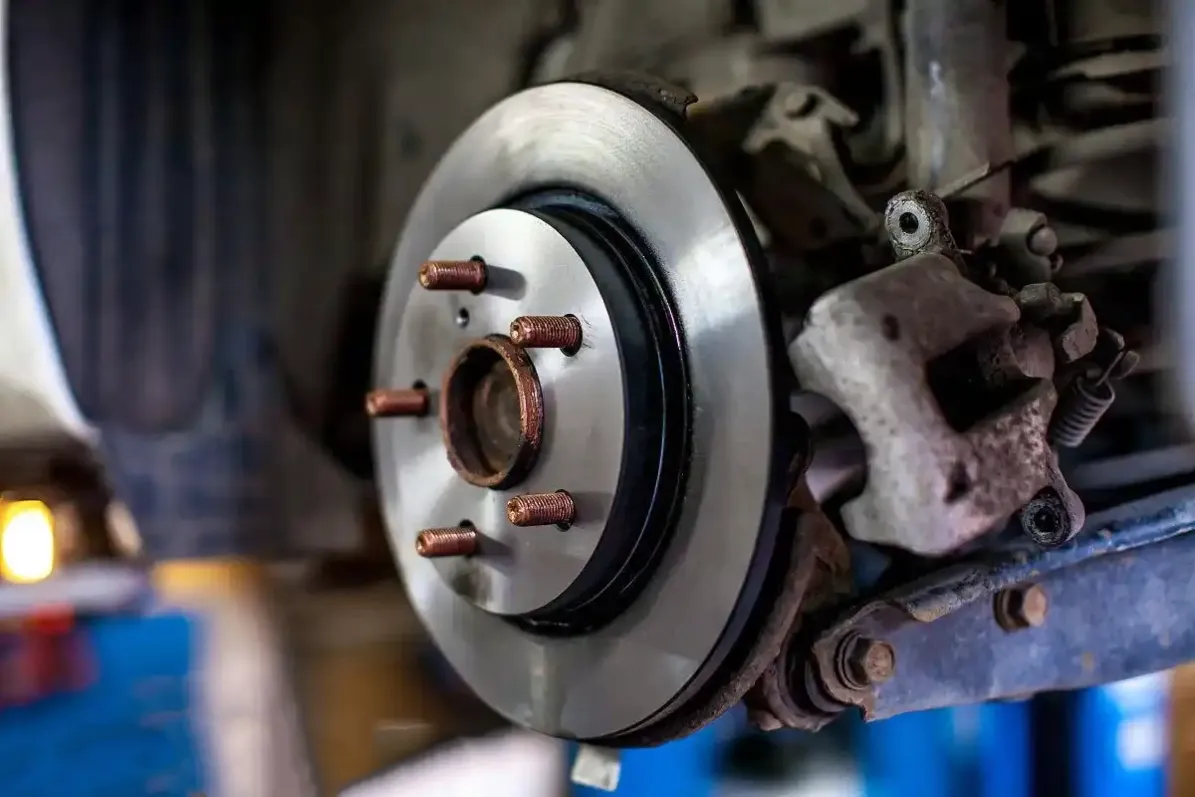
That shaking sensation when you press the brake pedal — most drivers have felt it at some point. The usual suspect is a warped brake rotor. But what does "warped" actually mean, what causes it, and can you stop it from happening?
This guide explains everything you need to know about brake rotor warping, whether you are a driver maintaining your own vehicle or an auto parts buyer sourcing discs for your market.
What Does "Warped Brake Rotor" Actually Mean?
The term "warping" is widely used but often misunderstood. A truly warped rotor — one that has physically bent like a potato chip — is actually rare. What most people call "warping" is usually one of two things:
Thickness variation — The disc has worn unevenly, creating thick and thin spots around the rotor surface. When the brake pad passes over these variations, it pushes back against the caliper piston, causing the pedal to pulse.
Disc thickness variation (DTV) — This is the technical term. It means the rotor thickness is not uniform around its circumference. Even a difference of 0.015mm (about half a sheet of paper) can cause noticeable vibration.
In both cases, the symptom is the same: vibration or pulsing through the brake pedal or steering wheel when braking.
What Causes Brake Rotors to Warp?
1. Excessive Heat Buildup
Heat is the number one enemy of brake rotors. When you brake, kinetic energy converts to thermal energy on the disc surface. If the heat is too intense or too frequent, the disc can distort.
Common heat-related causes:
Heavy braking on steep hills — Riding the brakes downhill generates extreme heat
Aggressive driving — Hard stops from high speeds repeatedly overheat the disc
Track days or performance driving — Sustained heavy braking pushes rotors beyond their design limits
Towing heavy loads — Extra weight means more energy the brakes must absorb
When a rotor heats up unevenly — for example, if the caliper is sticking and dragging on one spot — that area expands more than the rest, creating distortion.
2. Improper Brake Pad Bedding
New brake pads need to be properly "bedded in" — a process of gradually transferring a thin layer of pad material onto the rotor surface. This creates an even transfer layer that ensures smooth, consistent braking.
If bedding is skipped or done incorrectly:
Pad material deposits unevenly on the rotor
This creates high spots and low spots
The driver feels vibration that mimics warping
This is one of the most common causes of perceived warping and is entirely preventable.
3. Stuck or Dragging Brake Caliper
A caliper that does not fully release after braking keeps the pad pressed against the rotor. This creates:
Localized heat buildup in one area
Uneven rotor wear
Accelerated deterioration of that section of the disc
Over time, this causes the rotor to develop thickness variation. A dragging caliper often also causes the vehicle to pull to one side when driving.
4. Overtightened or Unevenly Tightened Lug Nuts
This is an often-overlooked cause. If lug nuts are tightened with excessive force or not in the correct star pattern, they can create uneven pressure on the rotor hat. This pressure can slightly distort the disc, especially on thinner rotors.
Using a torque wrench and following the correct tightening sequence prevents this problem.
5. Poor Quality Rotor Material
Not all brake rotors are made equal. Low-quality rotors may use inferior cast iron with inconsistent metallurgy. These discs:
Have uneven hardness across the surface
Do not dissipate heat as effectively
Are more prone to distortion under normal use
High-carbon cast iron (HT250 or FC250 grade) provides better heat resistance and more consistent performance. When sourcing rotors, material quality matters — see our complete brake disc buyer's guide for what to look for.
6. Rapid Cooling (Thermal Shock)
Driving through deep puddles or spraying water on hot rotors can cause rapid, uneven cooling. This thermal shock can warp the disc almost instantly. The metal contracts unevenly, creating permanent distortion.
This is why it is best to let hot brakes cool gradually rather than forcing them to cool quickly.
How to Tell If Your Brake Rotors Are Warped
The symptoms are usually easy to detect:
Symptom — What It Feels Like
Pedal pulsation — Brake pedal pushes back against your foot in a rhythmic pattern
Steering wheel shake — Steering wheel vibrates when braking, especially at highway speeds
Uneven braking — Vehicle pulls to one side when braking
Noise — Squealing or grinding that comes and goes with wheel rotation
If you notice any of these signs, have your rotors measured with a micrometer. A thickness variation exceeding 0.015mm around the rotor circumference means the disc should be replaced.
How to Prevent Brake Rotor Warping
Bed Your Brake Pads Properly
After installing new pads or rotors, perform a proper bedding procedure:
Make 5–6 moderate stops from 50 km/h to 10 km/h
Make 2–3 harder stops from 60 km/h to 15 km/h
Drive for 5–10 minutes without braking to let the system cool
Avoid holding the brake pedal at a stop while the brakes are still hot
This process creates an even transfer layer and significantly reduces the risk of uneven deposits.
Avoid Riding the Brakes
On long downhill stretches, use engine braking (downshifting) instead of keeping your foot on the brake pedal. This distributes the braking force and prevents the front rotors from overheating.
Maintain Your Calipers
Have your brake calipers inspected regularly. A sticking caliper is a silent rotor killer — it may not be obvious until the damage is done. Caliper slide pins should be cleaned and lubricated during every brake service.
Use Quality Rotors
This applies to both vehicle owners and parts buyers. A quality rotor made from high-carbon cast iron with proper machining tolerances will resist warping far better than a cheap, poorly made disc.
For buyers sourcing from China, look for suppliers who can provide:
Material certificates (HT250 or FC250)
Dynamic balance test reports
Thickness variation under 0.015mm
Hardness consistency across the disc surface
If you are unsure what to check, our article on brake pad and disc quality control covers the key inspection points.
Consider Coated Rotors
While coating does not directly prevent warping, coated brake rotors offer an indirect benefit. The coating protects the non-friction surfaces from corrosion, which helps maintain the rotor's structural integrity during storage and transport. A rotor that arrives at the workshop free from rust is more likely to have consistent material properties across its surface.
Can You Resurface a Warped Rotor?
Resurfacing (also called turning or machining) was once a common solution. A machine shaves a thin layer off the rotor surface to restore flatness. However, there are important limitations:
Modern rotors are thinner — Many newer vehicles use lighter, thinner rotors that have less material to spare. Resurfacing may bring the rotor below its minimum thickness.
Temporary fix — If the underlying cause (stuck caliper, poor bedding) is not addressed, the rotor will warp again.
Cost vs replacement — In many cases, new aftermarket rotors are affordable enough that replacement makes more sense than resurfacing.
General recommendation: If the rotor is at or near minimum thickness after resurfacing, replace it. Safety is not worth the savings.
When to Replace Warped Brake Rotors
Replace your rotors when:
Thickness variation exceeds 0.015mm
Rotor thickness is at or below the minimum thickness stamp on the hat
Deep grooves or scoring are visible on the friction surface
Cracks or heat spots (blue discoloration) are present
Resurfacing would bring the rotor below minimum thickness
Always replace rotors in pairs — both front or both rear — to ensure even braking.
Warping Is More Common on Some Vehicles
Some vehicles are more prone to rotor warping due to their brake system design, vehicle weight, or driving patterns. Commonly affected models include:
Honda Odyssey — Heavy minivan with front-heavy braking loads
Toyota Camry / RAV4 — High-volume vehicles often driven in stop-and-go traffic
Hyundai Tucson / Kia Sportage — SUVs that see mixed city and highway use
Nissan Altima / Rogue — Popular commuter vehicles with frequent braking
If you operate a workshop or distribute parts for these models, keeping quality replacement rotors in stock is a smart move. Browse our brake disc products for popular fitments.
Frequently Asked Questions
Does warping affect braking safety?
Yes. A warped rotor reduces the contact area between the pad and disc, which increases stopping distance. In severe cases, vibration can affect steering control during emergency braking.
Can I drive with slightly warped rotors?
You can, but it is not recommended. The problem will only get worse over time. What starts as a mild pedal pulse can develop into serious vibration and uneven pad wear.
How much does it cost to replace warped rotors?
It depends on the vehicle. Aftermarket brake rotors for common vehicles (Toyota, Honda, Hyundai) are very affordable, especially when sourced directly from manufacturers in China. Premium or performance vehicles will have higher replacement costs.
Do ceramic brake pads help prevent warping?
Ceramic pads generate less heat than semi-metallic pads and produce more even wear on the rotor surface. They can help reduce the risk of warping, but proper driving habits and maintenance are still the most important factors. Learn more about different brake pad materials.
Are drilled or slotted rotors more resistant to warping?
Drilled rotors can actually be more prone to cracking under extreme heat because the holes create stress points. Slotted rotors help with heat dissipation and pad degassing but do not significantly prevent warping. For most daily driving applications, standard rotors are the best balance of performance and durability.
Conclusion
Brake rotor warping is one of the most common brake complaints, but it is largely preventable. Proper pad bedding, regular caliper maintenance, avoiding excessive heat, and using quality rotors can keep your brakes smooth and safe for tens of thousands of kilometers.
If you are an auto parts buyer looking for reliable brake discs — coated or uncoated, vented or solid — we supply a full range of applications for Toyota, Honda, Hyundai, Nissan, BMW, Mercedes, VW, Audi and more. All discs are manufactured to OE specifications with strict quality control.
---
This article is part of our brake disc knowledge series. For more guides, see: