
Aug 16, 2026Product Knowledge
Carbon Ceramic vs Semi-Metallic Brake Pads
Compare carbon ceramic and semi-metallic brake pads. Learn the pros, cons, and which type your customers prefer by region and vehicle type.
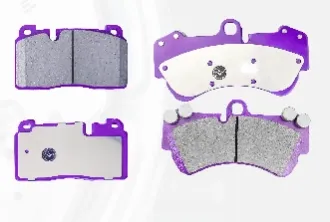
If you are deciding which brake pad material to stock, this guide will help you understand the differences and choose what sells best in your market.
What Are Carbon Ceramic Brake Pads?
Carbon ceramic pads use a blend of carbon fiber, ceramic, and other non-metallic materials. They are the most popular choice for passenger cars in developed markets.
Pros of Carbon Ceramic Brake Pads:
- Low dust, keeps wheels clean
- Quiet operation, minimal brake squeal
- Gentle on rotors, longer rotor life
- Stable performance across temperature ranges
Cons of Carbon Ceramic Brake Pads:
- Slightly higher cost than semi-metallic
- Not ideal for heavy-duty towing or commercial trucks
What Are Semi-Metallic Brake Pads?
Semi-metallic pads contain 30-65% metal content. They are common in trucks, SUVs, and commercial vehicles.
Pros of Semi-Metallic Brake Pads:
- Excellent heat dissipation
- Strong stopping power under heavy loads
- Lower price point
- Good for high-speed and mountain driving
Cons of Semi-Metallic Brake Pads:
- More dust, metallic particles on wheels
- Noisier than ceramic pads
- Can wear rotors faster
Which Sells Better by Region?
- USA and Canada: Carbon ceramic for passenger cars, Semi-metallic for trucks
- Europe: Carbon ceramic with ECE R90 required
- Africa: Semi-metallic, price-sensitive, tough road conditions
- Middle East: Semi-metallic, heat resistance matters
- Southeast Asia: Both, depends on vehicle type
- South America: Semi-metallic, budget-focused
Our Recommendation
Stock both. Use carbon ceramic for sedan and SUV customers who care about comfort. Use semi-metallic for truck owners and price-sensitive markets. Contact us for a free product consultation.