
Sep 8, 2026Product Knowledge
Carbon Ceramic Brake Pads: Technology, Benefits, and Performance Guide
Discover how carbon ceramic brake pads work, their advantages over traditional materials, and why they are the preferred choice for modern vehicles.
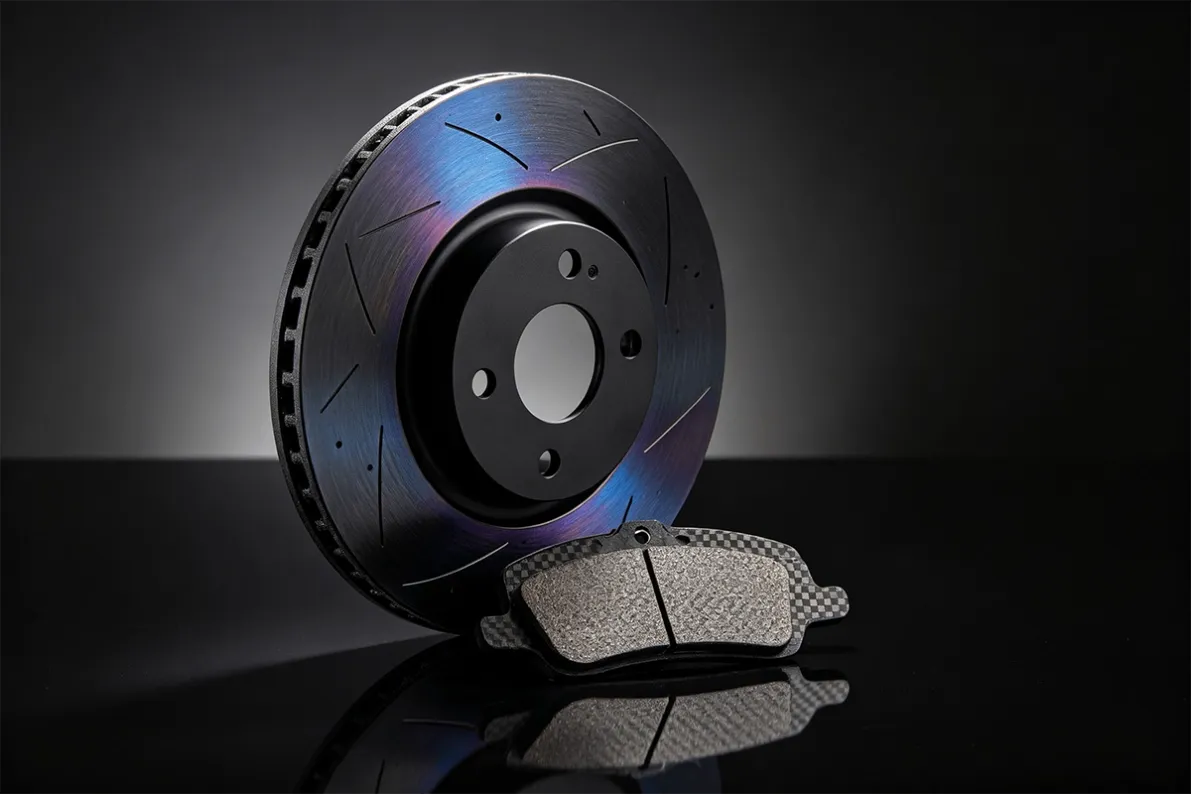
What Are Carbon Ceramic Brake Pads?
Carbon ceramic brake pads are an advanced friction material made from a blend of carbon fibers, ceramic compounds, and high-temperature resins. Unlike traditional semi-metallic brake pads that rely on heavy metal content, carbon ceramic pads use a lighter, more heat-resistant formulation. This technology was originally developed for motorsport and high-performance vehicles, but it is now widely available for passenger cars, SUVs, and commercial vehicles worldwide.
At YQF Auto Parts, our carbon ceramic brake pads are engineered to meet ECE R90 standards and are trusted by distributors in over 30 countries across Africa, Southeast Asia, the Middle East, and Europe.
How Carbon Ceramic Technology Works
The friction material in carbon ceramic brake pads consists of several key components:
Carbon fibers: Provide structural strength and excellent heat dissipation. Carbon fibers can withstand temperatures exceeding 600°C without significant degradation.
Ceramic compounds: Act as a heat barrier and reduce noise. Ceramic particles absorb vibration, which is why these pads are remarkably quiet during braking.
High-temperature binders: Hold the friction material together under extreme heat and pressure.
Lubricants and fillers: Control the friction coefficient and ensure smooth, consistent braking performance.
During braking, the pad presses against the brake disc, converting kinetic energy into heat. Carbon ceramic pads manage this heat more efficiently than traditional materials, which means less brake fade during repeated hard stops.
Key Benefits of Carbon Ceramic Brake Pads
1. Low Dust Production
One of the most noticeable advantages is drastically reduced brake dust. Traditional semi-metallic pads shed dark metallic dust that stains wheels and requires frequent cleaning. Carbon ceramic pads produce minimal dust, keeping your wheels cleaner for longer. For car owners and fleet operators, this means lower maintenance costs and a cleaner vehicle appearance.
2. Quiet Braking Operation
The ceramic content in these pads dampens vibration and resonance, virtually eliminating brake squeal. This is a major selling point in markets where customers value a quiet, comfortable driving experience. Whether you are driving in busy city traffic in Lagos, navigating mountain roads in Southeast Asia, or cruising on European highways, carbon ceramic pads deliver smooth, silent braking.
3. Excellent Heat Resistance
Carbon ceramic pads maintain their friction coefficient even at elevated temperatures. While traditional pads can experience brake fade during prolonged downhill braking or aggressive driving, carbon ceramic pads continue to perform consistently. This heat resistance makes them suitable for heavy vehicles, SUVs, and performance cars.
4. Longer Service Life
The advanced formulation of carbon ceramic pads resists wear more effectively than many traditional materials. Under normal driving conditions, these pads can last 30-50% longer than equivalent semi-metallic options. For importers and distributors, this translates to higher customer satisfaction and fewer warranty claims.
5. Lighter Weight
Carbon ceramic pads are lighter than their semi-metallic counterparts. While the weight difference per pad is modest, it contributes to reduced unsprung mass, which improves handling, fuel efficiency, and suspension response. For performance-oriented buyers, this is a meaningful advantage.
Carbon Ceramic vs Semi-Metallic vs NAO: A Comparison
Understanding the differences between brake pad materials helps buyers make informed purchasing decisions:
Carbon Ceramic Pads: Best overall performance. Low dust, low noise, excellent heat resistance. Ideal for passenger cars, SUVs, and customers who prioritize comfort and cleanliness. Higher cost per unit but longer lifespan.
Semi-Metallic Pads: High metal content (30-65%) provides excellent heat conductivity and durability. Best for heavy-duty applications, trucks, and performance vehicles that experience extreme braking loads. Produces more dust and noise than ceramic options.
NAO (Non-Asbestos Organic) Pads: Made from organic materials like rubber, glass, and Kevlar. Softest and quietest option but wears faster and has lower heat tolerance. Best for light-duty, everyday driving.
For a deeper comparison, see our guides on Ceramic vs Semi-Metallic Brake Pads and Carbon Ceramic vs Semi-Metallic Brake Pads.
When to Recommend Carbon Ceramic Pads to Your Customers
Carbon ceramic brake pads are an excellent recommendation when your customer:
Drives primarily in urban environments with frequent stop-and-go traffic
Values quiet, comfortable braking performance
Wants to keep wheels clean with minimal maintenance
Drives a mid-range to premium vehicle (Toyota, Honda, BMW, Mercedes, VW, Hyundai)
Lives in a warm climate where heat resistance matters
Is willing to invest more upfront for longer pad life and better performance
For markets with price-sensitive customers, semi-metallic or NAO pads may be more appropriate. However, the growing global demand for carbon ceramic technology reflects a clear trend toward premium materials, even in developing markets.
Quality Standards and Certifications
When sourcing carbon ceramic brake pads, look for products that meet these standards:
ECE R90: European safety standard mandatory for brake pads sold in EU countries
DOT FMVSS 135: U.S. Department of Transportation standard for hydraulic brake systems
CCC (China Compulsory Certification): Required for products manufactured and sold in China
ISO 9001 / IATF 16949: Quality management system certifications for the manufacturer
Understanding these certifications is essential for importers. Read our complete guide on Brake Pad Standards by Country to learn which certifications apply to your target market.
How to Source Carbon Ceramic Brake Pads from China
Finding reliable carbon ceramic brake pad suppliers requires careful evaluation. Key factors to assess include:
Manufacturing capability: Does the supplier have dedicated production lines for ceramic formulas?
Testing equipment: Are products tested for friction coefficient, wear rate, and noise levels?
Certifications: Does the factory hold IATF 16949 or ISO 9001 certification?
Export experience: Has the supplier shipped to your target market before?
Sample availability: Can they provide samples for independent testing before you commit to a large order?
For a step-by-step evaluation process, see our guide on How to Find and Verify Brake Pad Suppliers in China.
Contact Us for Carbon Ceramic Brake Pad Supply
YQF Auto Parts specializes in carbon ceramic brake pads and brake discs for global buyers. Our products are tested to international standards and shipped to over 30 countries. We offer OEM/ODM customization, flexible MOQ from 50 sets, and competitive FOB pricing.
Request a product catalog and price list by contacting us or emailing yqf@chenchat.top. Our team responds within 24 hours with detailed specifications and quotations.