
Sep 8, 2026Product Knowledge
Brake Pad Wear Patterns and What They Mean
Learn to read brake pad wear patterns and identify problems. Covers normal wear, one-sided wear, tapered wear, glazing, cracking, and color changes.
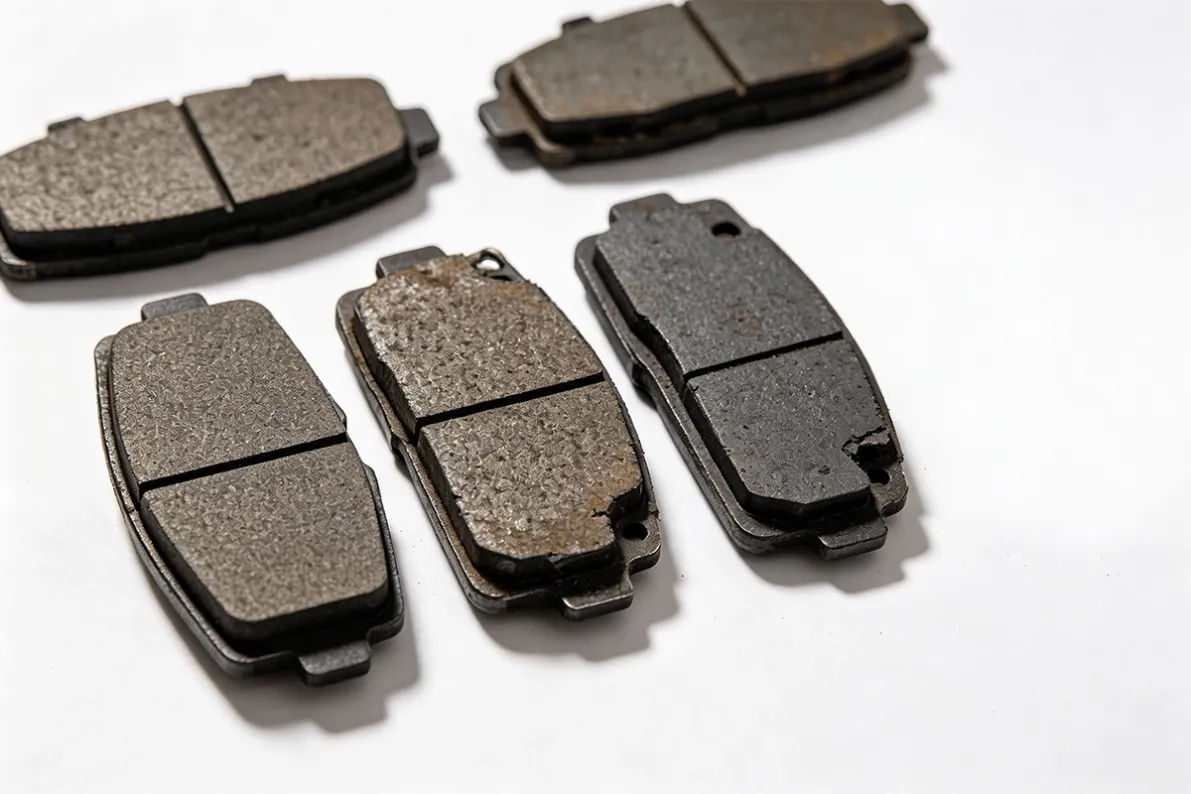
Why Brake Pad Wear Patterns Matter
Brake pad wear patterns tell a story about your braking system. By reading these patterns, you can identify problems early, prevent costly repairs, and ensure your vehicles maintain optimal stopping power. For auto parts buyers and mechanics, understanding wear patterns is essential knowledge that helps diagnose issues and recommend the right replacement parts.
Most brake pads should wear evenly across the friction surface. When they do not, the pattern reveals specific problems that need attention. Learning to read these patterns saves time, money, and keeps drivers safe.
Normal Wear Pattern
Normal wear appears as even, consistent friction material removal across the entire pad surface. The wear rate is uniform from top to bottom and side to side. Even wear indicates that the brake caliper is functioning correctly, the brake disc is in good condition, the pad material is appropriate for the application, and the braking system is properly aligned.
One-Sided Wear Pattern
One-sided wear occurs when the friction material is significantly thicker on one side of the pad compared to the other. This pattern indicates a problem with the caliper guide pins or slides. Common causes include stuck guide pins, corroded slides, missing lubrication, and damaged boots.
To fix one-sided wear, inspect and clean guide pins, replace damaged boots, lubricate pins with high-temperature brake grease, and if pins are severely corroded, replace the caliper. See our brake caliper components for replacement parts.
Tapered Wear Pattern
Tapered wear shows more friction material worn away on one edge of the pad compared to the opposite edge. The wear creates a wedge shape when viewed from the side. Tapered wear typically indicates caliper misalignment, bent caliper bracket, warped brake disc, or floating caliper issues.
To address tapered wear, check caliper mounting bolts for proper torque, inspect the caliper bracket for damage, measure brake disc runout, and replace warped discs if necessary. Learn more about brake disc issues in our guide on brake rotor warping.
Edge Wear Pattern
Edge wear shows excessive friction material removal at the top or bottom edge of the pad, while the center remains relatively thick. Edge wear can indicate disc lip, improper pad fitment, or caliper piston issues. To fix edge wear, inspect the brake disc for a raised lip, resurface or replace the disc if present, verify pad dimensions, and check piston movement.
Glazing Pattern
Glazed pads have a shiny, glassy appearance on the friction surface. The material may appear melted or have a smooth, hard finish instead of the normal rough texture. Glazing occurs when brakes overheated from heavy use, the pad compound is not suitable for the application, the pads were not properly bedded in, or a caliper or wheel cylinder is sticking.
To fix glazing, resurface or replace the brake discs, install new pads with the correct friction material, properly bed in the new pads, and check for dragging brakes. Read more about proper bedding procedures in our guide on brake pad bed-in process.
Cracking or Chunking Pattern
Cracking shows as visible cracks in the friction material, while chunking shows pieces of material breaking away from the pad surface. These patterns indicate extreme heat cycles, low-quality material, contamination, or manufacturing defects. Replace pads immediately if you observe cracking or chunking as it is a safety concern.
Color Changes
Blue or purple discoloration indicates extreme heat exposure. Black spots suggest contamination or hot spots on the disc. White residue may indicate corrosion or moisture exposure. Address the root cause by reviewing driving habits, inspecting discs for heat damage, and using pads designed for high-temperature applications.
Choosing the Right Replacement Pads
Different vehicles and driving conditions require different pad materials. Daily commuting needs semi-metallic or ceramic pads for good performance and low dust. Performance driving requires high-friction metallic pads. Heavy-duty use needs commercial-grade pads. Luxury vehicles benefit from premium ceramic pads for quiet operation.
Always choose quality replacement pads from certified manufacturers. Look for IATF 16949 certification, ECE R90 or DOT compliance, proper friction coefficient ratings, and quality packaging. See our guide on how to choose brake pad materials for more information.
Working with YQF Auto Parts
At YQF Auto Parts, we supply brake pads designed for consistent, even wear across all applications. Our products are manufactured to IATF 16949 standards, tested to meet ECE R90 requirements, available in multiple friction compounds, and suitable for all vehicle types and driving conditions.
Contact us at yqf@chenchat.top or visit our contact page to discuss your brake pad requirements. Browse our product catalog to see our full range of brake pads and brake discs.