
Aug 19, 2026Product Knowledge
Brake Noise When Stopping: Causes, Types, and How to Fix It
Brake noise when stopping? Learn what causes squealing, grinding, and clicking brakes, how to tell different sounds apart, and the best ways to fix and prevent brake noise.
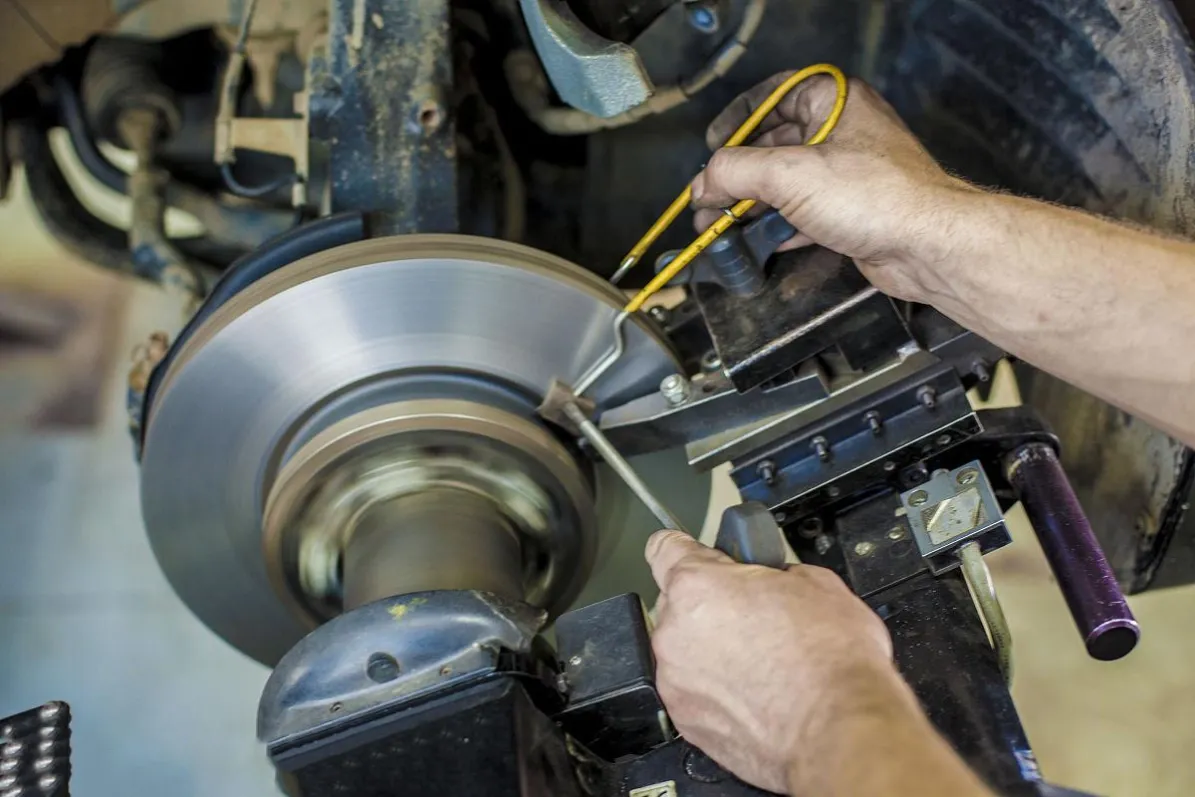
That high-pitched squeal when you pull into a parking lot. That grinding sound at a red light. Brake noise is one of the most common complaints drivers bring to their mechanics — and one of the most misunderstood.
Not all brake noise means danger. But ignoring the wrong kind can turn a simple pad replacement into a full brake system overhaul. This guide explains what causes brake noise, how to tell different sounds apart, and what you can do to fix each one.
Why Do Brakes Make Noise?
Brake noise happens when the brake pad vibrates against the rotor during contact. A small amount of noise is normal — after all, you are pressing a friction material against a spinning metal disc at high pressure. But when the vibration becomes loud enough to hear, something in the system is not working as it should.
The key is understanding that the sound tells you what is wrong. A squeal is different from a grind, which is different from a chirp. Each sound points to a specific cause.
6 Common Brake Noises and What They Mean
1. High-Pitched Squealing When Braking
What it sounds like: A sharp, metallic squeal that starts when you press the brake pedal and stops when you release it. Most likely cause: Your brake pads have built-in wear indicators — small metal tabs designed to contact the rotor when the pad material wears down to a certain level. This is an intentional warning system, not a malfunction. What to do: Replace your brake pads soon. This is not an emergency, but waiting too long means the pad material will be completely gone, and you will start damaging the rotor.
If you are unsure which pads to choose, see our guide on how brake pad materials compare for your driving needs.
2. Grinding Noise When Braking
What it sounds like: A deep, harsh, metal-on-metal scraping sound. Most likely cause: The brake pad material is completely worn through, and the metal backing plate is now grinding directly against the rotor. This is the sound of metal destroying metal. What to do: Stop driving and have the brakes inspected immediately. At this point, you will likely need both new brake pads and new brake rotors. Continuing to drive can damage the brake caliper, which is a much more expensive repair.
Not sure whether your rotors need replacing too? Read our guide on 5 signs you need new brake discs to check.
3. Clicking or Rattling When You Brake
What it sounds like: A light clicking, tapping, or rattling noise that happens when you apply the brakes at low speed. Most likely cause: Loose or missing anti-rattle clips or shims. These small hardware components hold the brake pad firmly in the caliper bracket. When they wear out or break, the pad shifts slightly each time you brake, creating a clicking sound. What to do: Have the brake hardware inspected and replaced. This is usually an inexpensive fix, and many quality brake pad sets include new hardware.
4. Squealing That Comes and Goes
What it sounds like: An intermittent squeal that appears in the morning or after rain, then disappears after a few stops. Most likely cause: Surface rust or moisture on the brake rotors. When a car sits overnight or in humid conditions, a thin layer of oxidation forms on the rotor surface. The first few brake applications scrape this off, causing temporary noise. What to do: This is usually harmless and does not require any action. The noise should stop within the first few stops of driving. If it persists, the rotors may have deeper corrosion — consider coated brake rotors that resist rust buildup.
5. Vibration with Noise When Braking
What it sounds like: A rhythmic pulsing or throbbing noise combined with a shaking sensation through the brake pedal or steering wheel. Most likely cause: Your brake rotors are warped or have uneven thickness. When the rotor surface is not perfectly flat, the brake pad alternately contacts the high and low spots, creating vibration and noise. What to do: Have the rotors measured with a micrometer. If thickness variation exceeds the manufacturer's specification, the rotors should be replaced. Resurfacing is sometimes an option, but on modern thin rotors, replacement is usually more practical.
6. Scraping Noise Even When Not Braking
What it sounds like: A constant scraping or rubbing sound that continues whether or not you are pressing the brake pedal. Most likely cause: A stuck brake caliper or a bent brake dust shield. A caliper that does not fully release keeps the pad pressed against the rotor at all times. A bent dust shield can also rub against the rotor. What to do: This needs immediate attention. A stuck caliper generates constant heat, which can overheat the brake fluid, warp the rotor, and cause brake fade. Have the caliper and brake system inspected as soon as possible.
How to Prevent Brake Noise
Most brake noise is preventable with proper installation and maintenance. Here are the key steps:
Use Quality Brake Pads
Cheap brake pads often lack proper shims, use low-grade friction materials, and skip anti-noise features. Quality pads include:
- Backing plate shims that absorb vibration
- Chamfered edges that reduce initial contact noise
- OEM-grade friction compounds that perform consistently across temperature ranges
Always Replace Brake Hardware
When installing new pads, replace the clips, springs, and slide pins too. These small parts wear out over time and are a leading cause of noise on "new" brake jobs.
Bed In New Pads Properly
New brake pads need a bedding-in process to transfer an even layer of friction material onto the rotor. Skipping this step leads to uneven deposits, which cause vibration and noise.
The standard bedding procedure:
Make 6 to 10 moderate stops from 50 km/h to 10 km/h
Allow 30 seconds between stops for cooling
Avoid hard stops for the first 200 km
Check Rotor Condition
Before installing new pads, inspect the rotors for:
- Scoring or grooves — deep grooves reduce pad contact area
- Rust pitting — pitted rotors create uneven friction
- Thickness variation — measure with a micrometer at multiple points
If the rotors are damaged, replace them. Putting new pads on bad rotors is one of the most common causes of brake noise.
Need help choosing the right rotors? Our complete brake disc buyer's guide covers sizing, types, and fitment.
When to Worry About Brake Noise
Here is a quick reference:
Noise Type | Urgency | Likely Cause |
|---|---|---|
Squeal on first stop in the morning | Low | Moisture or surface rust |
Squeal every time you brake | Medium | Wear indicator — pads need replacing soon |
Grinding when braking | High | Pads worn out — stop driving |
Clicking at low speed | Low | Loose hardware |
Vibration with noise | Medium | Warped or uneven rotors |
Constant scraping | High | Stuck caliper — get it checked now |
Frequently Asked Questions
Are noisy brakes dangerous?
It depends on the type of noise. A morning squeal from moisture is harmless. A grinding sound means your brake pads are gone and you are damaging the rotors — that is dangerous and needs immediate attention.
Can I drive with squeaky brakes?
If the squeal only happens in the morning or after rain and goes away after a few stops, yes. If the squeal happens every time you brake, your wear indicators are telling you the pads are low — schedule a replacement soon.
How much does it cost to fix brake noise?
The cost depends on the cause. Simple hardware replacement might cost very little if you are already doing a brake job. New pads and rotors for one axle typically range from $150 to $400 per side depending on the vehicle and parts quality.
Do ceramic brake pads reduce noise?
Generally, yes. Ceramic brake pads tend to produce less noise than semi-metallic pads because the ceramic compound generates less vibration. However, the quality of the pad construction matters more than the material type alone.
Can new brake pads still squeal?
Yes, if they were not bedded in properly, if the hardware was not replaced, or if the rotors were in poor condition. A quality brake job addresses the entire system, not just the pads.
Conclusion
Brake noise is your car's way of telling you something. The trick is listening to what it is saying. A light squeal after rain is nothing to worry about. A grinding sound means you have waited too long.
The best prevention is simple: use quality parts, replace the hardware, bed in your pads, and check your rotors. Do these four things and your brakes will stay quiet and safe.
If you are sourcing brake components for your shop or resale business, we offer a full range of brake discs and brake pads for popular vehicle applications. Contact us to discuss your needs or browse our brake disc catalog.