Sep 8, 2026Buying Guides
Payment Methods and Trade Terms for Brake Parts Import from China: A Buyer's Guide
Learn about secure payment methods and trade terms when importing brake pads and brake discs from China. Covers T/T, L/C, Trade Assurance, and deposit structures for auto parts buyers.
Why Payment Terms Matter in Brake Parts Sourcing
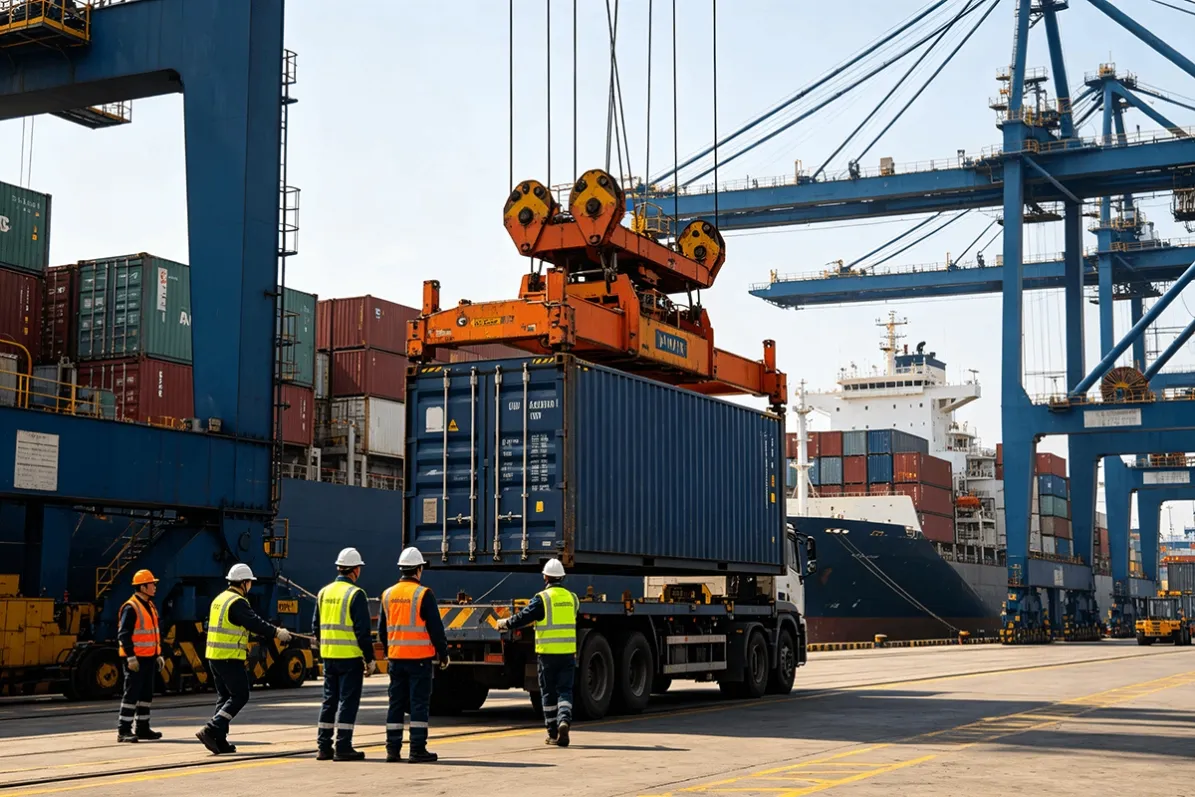
Choosing the right payment method is one of the most critical decisions when importing brake pads and brake discs from China. A poorly structured payment can expose you to fraud, quality disputes, or cash flow problems. For auto parts buyers in Africa, Southeast Asia, the Middle East, and Europe, understanding the standard payment methods and trade terms helps protect your investment and build a reliable supply chain.
Most Chinese brake parts suppliers offer multiple payment options. The method you choose depends on your order value, relationship with the supplier, and risk tolerance. Below, we break down each option with practical guidance for first-time and experienced importers.
T/T (Telegraphic Transfer): The Most Common Method
T/T is the dominant payment method in the brake parts industry. It works like a bank wire transfer — you send money directly to the supplier's bank account. Typical terms include:
30% deposit + 70% before shipment: This is the standard arrangement. You pay 30% upfront to confirm the order, then the remaining 70% once production is complete and you have reviewed photos or inspection reports.
100% upfront: Some suppliers offer a discount (usually 2-3%) for full prepayment. This is common for repeat customers with established trust.
100% after inspection: Rare for new relationships, but possible with trusted suppliers you have worked with before.
T/T is fast and straightforward. However, once the money is sent, it is difficult to recover. Always verify the supplier's bank details match their company registration, and never pay to a personal account.
L/C (Letter of Credit): Maximum Security for Large Orders
A Letter of Credit is a bank-guaranteed payment method. The buyer's bank promises payment to the supplier once shipping documents are presented. L/C is ideal for:
Large orders (typically above $20,000)
First-time transactions with new suppliers
Buyers who need document-based security
The process involves the buyer's bank issuing an L/C in favor of the supplier. Once the goods are shipped and the supplier presents the required documents (bill of lading, packing list, commercial invoice, compliance documents), the bank releases payment. L/C adds cost (bank fees of 1-2%) and complexity, but it provides the highest level of trade security.
Trade Assurance via Alibaba
If you source through Alibaba, Trade Assurance is a free escrow-like service. You pay through Alibaba's platform, and the funds are held until you confirm satisfactory delivery. Benefits include:
Refund protection if the supplier fails to ship on time or the goods do not match specifications
Order tracking and dispute resolution through Alibaba's platform
No extra bank fees compared to L/C
Trade Assurance works best for orders placed through Alibaba. For direct contracts with suppliers outside the platform, this option is not available.
PayPal and Other Online Methods
Some suppliers accept PayPal for small orders or samples. PayPal offers buyer protection but charges high fees (4-5% per transaction), making it expensive for bulk orders. It is best limited to:
Sample orders (under $500)
Small trial orders to test a new supplier
Western Union is occasionally used for very small amounts, but it offers no buyer protection and is not recommended for business transactions.
How to Structure Payment for Your First Order
For a first order with a new Chinese brake parts supplier, we recommend:
1. Start with a small trial order (50-200 sets) to test quality and communication
2. Use 30/70 T/T terms — 30% deposit to start production, 70% after you verify quality via photos or third-party inspection
3. Request a proforma invoice before making any payment, clearly listing product specifications, unit price, total amount, delivery terms, and payment terms
4. Verify the supplier's company name on the proforma invoice matches their business license
As the relationship develops, you can negotiate better terms such as a lower deposit percentage or extended payment windows.
Incoterms: FOB vs CIF vs EXW
The trade term (Incoterm) determines who pays for shipping and at what point the risk transfers:
EXW (Ex Works): You pay for everything from the factory gate — shipping, insurance, customs. Lowest unit price but highest logistics responsibility.
FOB (Free on Board): The supplier delivers goods to the port and loads them onto the ship. You handle ocean freight and destination customs. This is the most common term for brake parts from China.
CIF (Cost, Insurance, Freight): The supplier quotes a price including sea freight and basic insurance to your destination port. Convenient but less transparent on actual shipping costs.
For most auto parts importers, FOB is the recommended term because it gives you control over freight rates and allows you to consolidate shipments.
Protecting Yourself from Payment Fraud
Unfortunately, payment fraud does occur in international trade. Protect yourself by:
Never paying to personal bank accounts — always verify the account belongs to the registered company
Requesting a company video call before large payments to confirm the supplier is real
Using third-party inspection (SGS, Bureau Veritas) before releasing the final payment
Starting small — build trust before committing to large orders
Checking the supplier's trade history on platforms like Alibaba, Made-in-China, or Global Sources
Working with a verified supplier significantly reduces your risk. Always take the time to verify before you pay.
Contact Us for a Secure Trade Experience
At YQF Auto Parts, we offer transparent payment terms and welcome buyers to visit our factory in Dongguan, China. Whether you need a small sample order or a full container load, we provide clear proforma invoices and support T/T, L/C, and Trade Assurance.
Ready to discuss your brake parts requirements? Contact us or email us at yqf@chenchat.top for a detailed quotation and payment terms.