Aug 29, 2026Buying Guides
Brake Parts MOQ and Packaging: A Practical Guide for Importers
Learn how brake parts MOQ, trial orders, private-label packaging, carton strength, labels, and landed cost affect importers sourcing brake pads and brake discs.
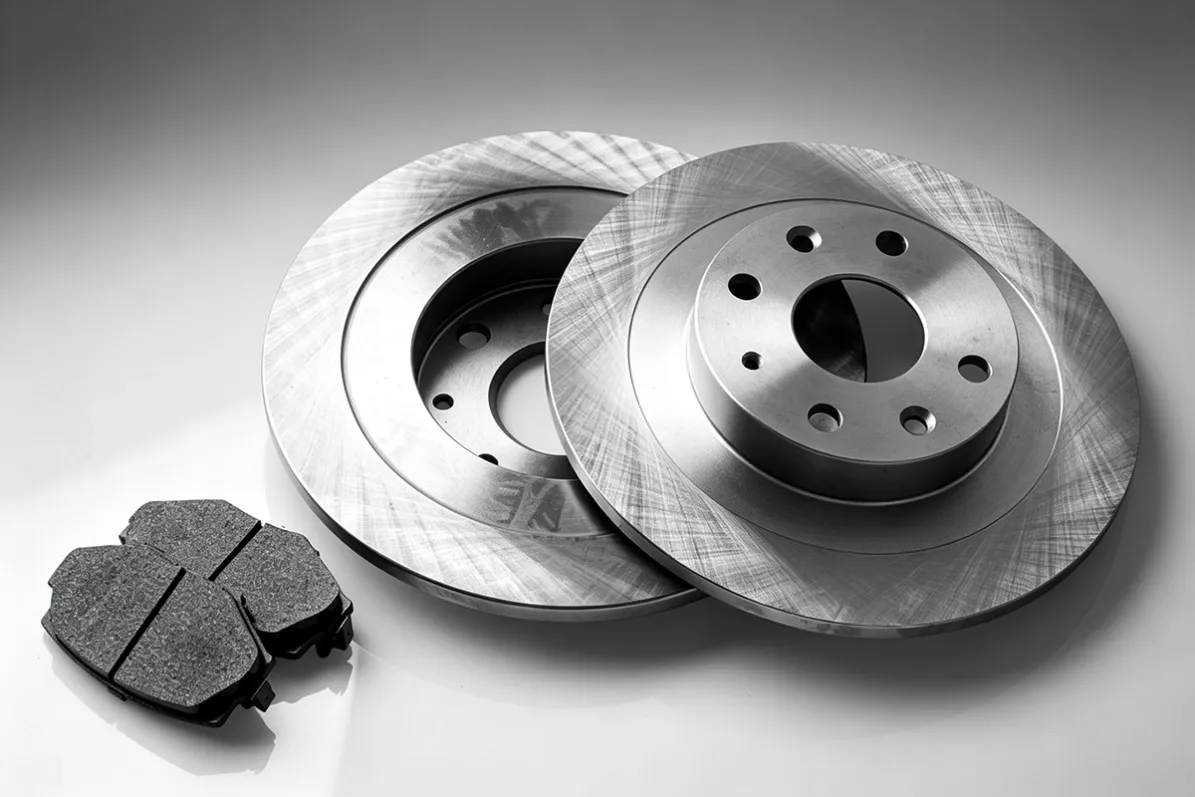
Minimum order quantity and packaging are two details that can decide whether a brake parts order is profitable. A quotation may look attractive at first, but if the MOQ is too high, packaging is weak, or labels are not prepared correctly, the buyer may face slow inventory turnover, damaged cartons, customs questions, or repeated customer complaints.
This guide explains how importers, wholesalers, and distributors can evaluate brake parts MOQ and packaging before placing an order. It is written for buyers sourcing brake pads, brake discs, and related aftermarket braking components from China.
Why MOQ Matters in Brake Parts Sourcing
MOQ is not only a supplier rule. It is connected to production setup, raw materials, packaging printing, batch control, and freight efficiency. For standard brake pad and brake disc references, suppliers may accept a lower trial quantity. For customized formulas, private-label packaging, unusual OE numbers, or slow-moving applications, the MOQ may be higher.
A buyer should treat MOQ as part of inventory planning. Ordering too few pieces may increase unit cost and freight cost. Ordering too many pieces may lock cash into stock that sells slowly. The right MOQ should match local demand, vehicle coverage, warehouse capacity, and expected reorder frequency.
Common Factors That Affect MOQ
Brake parts MOQ can vary by supplier and product type, but several factors usually matter:
- Whether the part number is a standard catalog item or a customized item
- Whether private-label box printing is required
- Whether the buyer needs special friction material, coating, or accessories
- The number of different OE references in one order
- Production line setup time and raw material availability
- Carton, label, barcode, and pallet requirements
- Destination market documentation and inspection requirements
For new buyers, a practical approach is to ask for two numbers: the trial-order MOQ and the regular reorder MOQ. This makes negotiation clearer and helps the supplier understand that the first order is for verification, not only for price shopping.
MOQ Strategy for New Importers
A new importer should usually start with a focused list of fast-moving references instead of ordering too many applications at once. For brake pads, choose part numbers with proven local demand, clear OE cross-reference data, and common vehicle coverage. For brake discs, check whether the product size, weight, and carton volume fit your shipping budget.
A good trial order should test more than the product itself. It should also test supplier communication, packaging strength, labeling accuracy, document preparation, lead time, and after-sales response.
Useful trial-order questions include:
- Can the supplier combine several fast-moving part numbers in one order?
- Can standard neutral packaging be used before private-label packaging is approved?
- What MOQ applies if the buyer uses supplier-stock packaging?
- What MOQ applies after private box artwork is printed?
- Can the supplier reserve packaging material for repeat orders?
This staged method reduces risk while keeping the door open for larger repeat purchases.
How Packaging Protects Brake Pads and Brake Discs
Brake parts are heavy, safety-related products. Packaging must protect the part during factory handling, inland transport, container loading, ocean freight, customs inspection, and local distribution. Weak packaging can cause chipped brake pads, scratched brake discs, collapsed cartons, moisture damage, unreadable labels, and mixed part numbers.
For brake pads, packaging should keep the set complete and prevent movement inside the box. Shims, clips, wear sensors, and accessories should be protected and counted correctly. For brake discs, packaging must consider weight, edge protection, corrosion protection, and carton strength.
Packaging is also a sales tool. Clear part numbers, OE references, barcodes, product descriptions, and brand information help warehouses, distributors, and workshops identify the correct item quickly.
Packaging Details Buyers Should Confirm
Before confirming an order, ask the supplier to provide packaging photos or drawings. The packaging specification should include:
- Inner box size, material, and printing method
- Master carton size, gross weight, and carton strength
- Quantity per carton and pallet loading plan
- Barcode, label, OE reference, and product description format
- Moisture protection and anti-rust treatment when needed
- Accessory packing method for clips, shims, and sensors
- Language, warning, and compliance text required by the market
- Private-label artwork approval process
For brake discs, confirm whether the surface is oiled, coated, wrapped, or otherwise protected against corrosion. For brake pads, confirm whether the packaging identifies front or rear axle, set quantity, and matching vehicle applications.
Private Label Packaging: Useful but Easy to Mismanage
Private-label packaging helps importers build brand recognition, but it also increases the need for careful control. Artwork errors can create expensive delays. Unsupported certification claims can create legal or customs risk. Poor label matching can lead to warehouse mistakes.
Before printing private-label boxes, confirm the trademark responsibility, certification wording, company name, country-of-origin statement, barcode system, and product claim language. If the buyer is not ready for full private-label packaging, neutral packaging with a clear external label may be a safer first step.
Private packaging should never hide the real product specification. A beautiful box cannot compensate for weak fitment data or inconsistent quality.
How MOQ and Packaging Affect Landed Cost
The true cost of a brake parts order includes more than unit price. Packaging and MOQ influence freight, storage, inspection, relabeling, and warranty exposure.
When comparing supplier quotations, calculate:
- Unit price at the requested MOQ
- Packaging cost for neutral and private-label options
- Carton volume and gross weight
- Palletization and container loading efficiency
- Inspection cost and document preparation cost
- Inventory holding cost for slow-moving references
- Replacement cost for damaged or mislabeled goods
A supplier with a slightly higher unit price may be more competitive if the packaging is stronger, cartons are easier to handle, labels are accurate, and shipments arrive with fewer claims.
Questions to Ask Before Confirming an Order
Use these questions before paying a deposit:
- What is the MOQ for standard packaging and private-label packaging?
- Can we start with a trial order for fast-moving part numbers?
- What are the inner box and master carton specifications?
- Can you provide packaging photos before mass production?
- How are OE numbers, barcodes, and product labels checked?
- What anti-rust or moisture protection is used for brake discs?
- What happens if cartons are damaged or labels are incorrect?
- Can packaging artwork and label content be written into the purchase order?
Clear answers to these questions help both buyer and supplier avoid disputes later.
FAQ: Brake Parts MOQ and Packaging
What is a reasonable MOQ for brake pads?
There is no single number for every supplier or part number. MOQ depends on product availability, packaging type, formula, accessories, and whether the item is standard or customized. New buyers should ask for both trial-order MOQ and regular-order MOQ.
Is private-label packaging necessary for the first order?
Not always. For a first order, neutral packaging with accurate labels may be safer and faster. Private-label packaging is useful after the buyer has confirmed product quality, market demand, and repeat-order potential.
Why does packaging affect brake parts quality claims?
Brake pads and brake discs can be damaged by movement, moisture, impact, or mixed labeling during shipping. Strong packaging reduces visible damage, warehouse errors, and customer complaints.
Should packaging requirements be included in the purchase order?
Yes. Packaging material, labels, artwork, carton quantity, barcodes, markings, and protection methods should be confirmed in writing. This gives both sides a clear reference before shipment.
Conclusion
MOQ and packaging should be discussed early in the brake parts sourcing process. A practical order plan starts with market demand, confirms trial quantities, checks packaging strength, and records all labels and artwork before mass production. This protects cash flow, reduces claims, and makes repeat orders easier to manage.
For a broader supplier-evaluation process, read our guide on how to choose a reliable brake parts supplier in China. If you are building a wholesale brake pad range, our article on how to choose brake pads for wholesale can help you prepare your purchasing list.
YQFDG supplies brake pads, brake discs, and related automotive parts for international buyers. For MOQ, packaging, and wholesale inquiries, contact YQFDG.