
Aug 17, 2026Buying Guides
How to Choose the Right Shock Absorbers for Your Vehicle
A practical buyer guide to selecting replacement shock absorbers by OEM number, vehicle fitment, installation position, and market requirements.
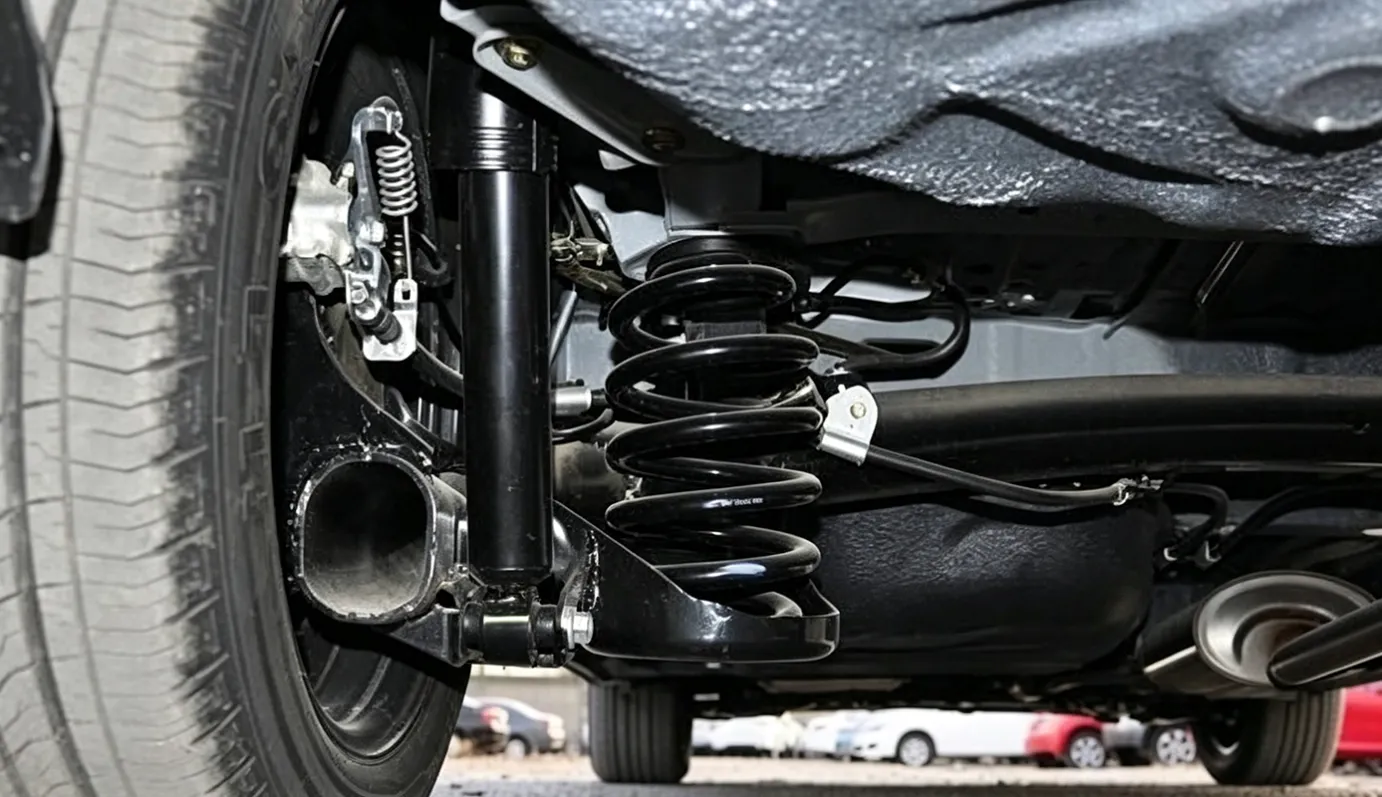
How to Choose the Right Shock Absorbers for Your Vehicle
Replacing shock absorbers is not simply a matter of choosing a part that looks similar. The correct unit must match the vehicle, axle position, mounting design, and original equipment reference. For workshops, distributors, and importers, getting the fitment right helps prevent returns, installation problems, and customer complaints.
This guide explains what to check before buying replacement shock absorbers and how to build a practical purchasing list for your market.
What Do Shock Absorbers Do?
Shock absorbers control the movement of a vehicle’s suspension springs. When a wheel hits a bump, the spring compresses and rebounds. A shock absorber dampens that motion so the tire can maintain more consistent contact with the road.
A worn unit can make a vehicle feel unstable, increase body bounce, reduce comfort, and contribute to uneven tire wear. It can also affect braking stability because excessive suspension movement makes it harder for the tire to keep a steady grip.
Common Signs That Shock Absorbers May Need Replacement
A visual inspection and a road test are both useful. Common warning signs include:
- Repeated bouncing after driving over a bump
- Nose dive during braking or excessive squat during acceleration
- Knocking sounds around the suspension area
- Oil leakage from the shock absorber body
- Uneven tire wear or poor road holding
- A vehicle pulling or feeling unstable on rough roads
These symptoms can also be related to mounts, bushings, springs, tires, or steering components. A proper inspection is important before replacing parts.
Start With the OEM Number
The OEM number is usually the most reliable starting point when identifying a replacement shock absorber. It helps a buyer compare the required part against a supplier’s catalogue and reduces confusion between similar-looking applications.
When an OEM number is unavailable, collect the following vehicle information:
- Vehicle make and model
- Model year or production range
- Engine or chassis code where available
- Front or rear installation position
- Left or right side, if the application is side-specific
- Original part photos and mounting measurements when possible
For example, a front-left unit may not be interchangeable with a front-right unit even when both are listed for the same vehicle series. Always confirm the installation position before ordering.
Check the Position and Mounting Design
Shock absorbers are commonly listed by position:
- Front
- Rear
- Front left
- Front right
- Rear left
- Rear right
The mounting arrangement matters as well. Compare the upper mount, lower mount, bolt-hole style, bushing size, overall length, and compressed length with the original part. These details are especially helpful when matching older vehicles or regional variants.
Understand Vehicle-Specific Fitment
A vehicle brand alone is not enough for fitment confirmation. One manufacturer may use different suspension designs across generations, trim levels, engines, and drive configurations.
For instance, Toyota applications should be matched against the relevant model and production year rather than ordered only as “Toyota shock absorbers.” You can review our Toyota shock absorber OEM replacement parts as an example of a fitment-led product listing.
The same approach applies to European vehicles. BMW parts should be checked by the vehicle series, chassis generation, year, and position. Our BMW shock absorber OEM replacement parts page provides OEM reference information for selected applications.
Consider Road Conditions and Customer Needs
For wholesale purchasing, the intended market matters. Vehicles operating on uneven roads, carrying regular loads, or used for commercial transport may place greater demands on suspension components.
A practical product range should consider:
- Popular local vehicle models
- Front and rear replacement demand
- Road and climate conditions
- Repair-shop feedback
- Availability of matching mounts and related suspension parts
- Packaging suitable for long-distance shipping and storage
Avoid making performance claims that are not supported by product testing. Instead, provide clear fitment information, OE references, installation positions, and quality-control details from the supplier.
Should Shock Absorbers Be Replaced in Pairs?
In most cases, replacing shock absorbers in pairs on the same axle is recommended. Installing one new unit beside one heavily worn unit can create uneven damping behavior, which may affect handling and ride quality.
For example, if a front shock absorber fails, replacing both front units helps maintain a more balanced response. The final repair decision should follow the vehicle manufacturer’s service guidance and the technician’s inspection.
A Quick Buyer Checklist
Before confirming a shock absorber order, verify:
- OEM number or cross-reference number
- Vehicle make, model, and year
- Chassis or engine information when available
- Front/rear and left/right position
- Mounting style and key dimensions
- Required quantity and packaging preference
- Target market and expected demand
This process is similar to selecting brake components: the right OE reference and vehicle fitment details are more important than a generic product name. For related sourcing guidance, read our brake disc buyer’s guide.
Source Shock Absorbers With Clear Fitment Data
Yuanqiaofeng supplies aftermarket automotive parts for wholesale buyers and distributors. Send us the OEM number, vehicle details, position, and required quantity, and we can help check suitable replacement options.
Clear fitment data leads to better purchasing decisions, fewer returns, and a more reliable product range for your customers.