
Aug 23, 2026Product Knowledge
Brake Fluid Explained: Types, How to Choose, and When to Change It
Learn about DOT 3, DOT 4, DOT 5, and DOT 5.1 brake fluids. How to choose the right type and when to change it.
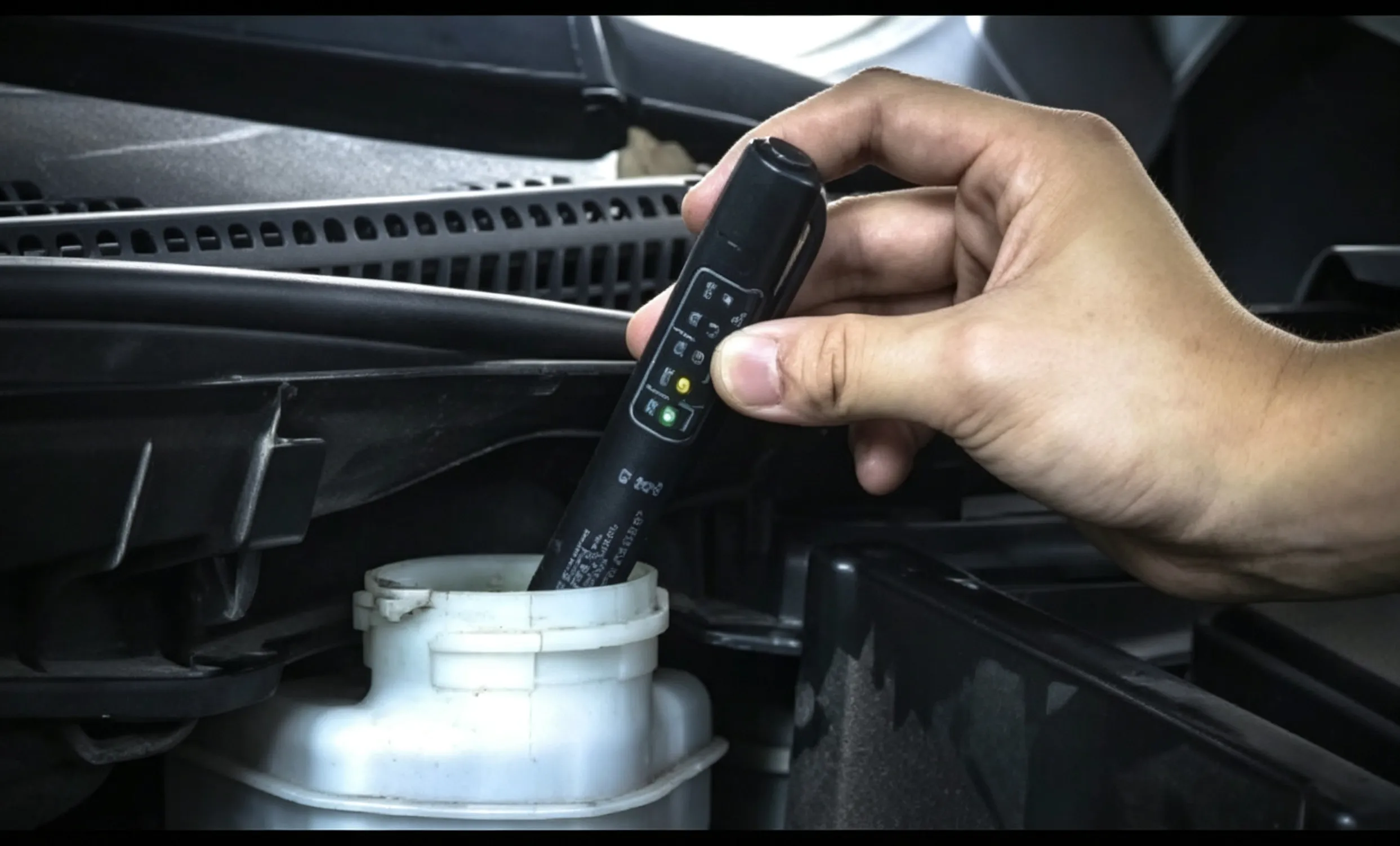
What Is Brake Fluid and Why Does It Matter?
Brake fluid is a specially formulated hydraulic liquid designed to work under extreme conditions. When you press the brake pedal, the fluid transmits pressure through the brake lines to the calipers at each wheel. This hydraulic pressure forces the brake pads against the rotors, creating the friction that slows the vehicle down.
Brake fluid must meet several demanding requirements:
High boiling point — Braking generates intense heat. If the fluid boils, it creates vapor bubbles that compress under pressure, causing a spongy pedal or complete brake failure.
Low freezing point — In cold climates, the fluid must remain liquid and flow freely.
Corrosion resistance — The fluid must protect the metal components inside the brake system from rust and corrosion.
Compatibility with rubber seals — Brake fluid must not damage the rubber seals and hoses in the hydraulic system.
Because brake fluid absorbs moisture over time through microscopic pores in rubber hoses and seals, its performance degrades gradually. This is why regular replacement is essential.
Understanding Brake Fluid Types: DOT 3, DOT 4, DOT 5, and DOT 5.1
The U.S. Department of Transportation (DOT) classifies brake fluid into several types based on their chemical composition and boiling points. Here is what you need to know about each:
DOT 3 Brake Fluid
DOT 3 is the most common and affordable type of brake fluid. It is glycol-based and is typically found in standard passenger vehicles, light trucks, and older models.
Dry boiling point: 205°C (401°F). Wet boiling point: 140°C (284°F). Best for everyday driving and standard passenger cars. Drawback: absorbs moisture relatively quickly, requiring more frequent changes.
DOT 4 Brake Fluid
DOT 4 is also glycol-based but has a higher boiling point than DOT 3. It is the standard choice for most modern vehicles, especially those with ABS (Anti-lock Braking Systems).
Dry boiling point: 230°C (446°F). Wet boiling point: 155°C (311°F). Best for modern cars, vehicles with ABS, and mild performance driving. Still hygroscopic, though slightly less so than DOT 3.
DOT 5 Brake Fluid
DOT 5 is silicone-based, not glycol-based. It does not absorb moisture and will not damage paint. It was originally developed for military vehicles.
Dry boiling point: 260°C (500°F). Wet boiling point: 180°C (356°F). Best for classic cars stored for long periods, show vehicles, and military applications. Not compatible with ABS systems and can trap air bubbles.
DOT 5.1 Brake Fluid
Despite the similar name, DOT 5.1 is glycol-based (like DOT 3 and DOT 4), not silicone-based. It offers the highest boiling point among glycol fluids and is designed for high-performance and heavy-duty applications.
Dry boiling point: 270°C (518°F). Wet boiling point: 180°C (356°F). Best for high-performance vehicles, racing, heavy trucks, and towing. Most expensive glycol-based option.
How to Choose the Right Brake Fluid for Your Vehicle
Choosing the correct brake fluid is straightforward if you follow these steps:
1. Check Your Owner's Manual
The manufacturer specifies the correct DOT rating for your vehicle. Always follow this recommendation. Using a lower-rated fluid can compromise safety, while using a higher-rated fluid is generally acceptable (DOT 4 can replace DOT 3, for example).
2. Match the DOT Type
Daily commuter cars: DOT 3 or DOT 4. Modern vehicles with ABS: DOT 4. Performance or track vehicles: DOT 5.1. Classic cars in storage: DOT 5 (silicone).
3. Never Mix Glycol and Silicone Fluids
DOT 3, DOT 4, and DOT 5.1 are glycol-based and are generally compatible with each other. However, DOT 5 (silicone) must never be mixed with glycol-based fluids. Doing so can cause seal damage and brake failure.
4. Buy from Reputable Sources
Brake fluid is inexpensive, but contaminated or counterfeit fluid can be dangerous. Always purchase from trusted brands and suppliers. For auto parts importers, verifying brake fluid quality through proper certification checks is just as important as it is for brake pads.
5 Signs Your Brake Fluid Needs to Be Changed
Brake fluid does not last forever. Here are the warning signs that it is time for a change:
1. Spongy or Soft Brake Pedal
If your brake pedal feels soft, spongy, or sinks to the floor, air or moisture in the brake fluid could be the cause. This is a serious safety issue that requires immediate attention.
2. ABS Warning Light
The ABS warning light on your dashboard can illuminate for many reasons, including low or degraded brake fluid. If this light comes on, have your brake system inspected, including the fluid level and condition.
3. Brake Fluid Looks Dark or Dirty
Fresh brake fluid is typically clear or light amber. Over time, it darkens as it absorbs moisture and contaminants. If your fluid looks brown or black, it is time for a change.
4. Burning Smell After Hard Braking
If you notice a sharp, chemical burning smell after heavy braking, your brake fluid may be overheating and approaching its boiling point. This is more common with old fluid that has absorbed moisture, which lowers its boiling point.
5. Increased Stopping Distance
If your vehicle takes longer to stop than it used to, degraded brake fluid could be a contributing factor. Combined with worn brake pads — which you can learn to identify in our guide on signs your brake pads need replacing — old fluid can significantly reduce braking performance.
How to Change Brake Fluid: Step-by-Step Guide
Changing brake fluid is a maintenance task that many vehicle owners can do at home with basic tools. Here is how:
Tools and Materials Needed
New brake fluid (correct DOT type for your vehicle), brake bleeder wrench (usually 8mm or 10mm), clear plastic tubing, a clean container to catch old fluid, a turkey baster or syringe, a helper or a one-man bleeder kit, safety glasses and gloves.
Step 1: Locate the Brake Fluid Reservoir
The brake fluid reservoir is usually on the driver's side of the engine bay, mounted on the brake master cylinder. Check your owner's manual if you are unsure.
Step 2: Remove Old Fluid from the Reservoir
Use a turkey baster or syringe to remove as much old fluid as possible from the reservoir. Do not let the reservoir run completely dry during this process.
Step 3: Refill with Fresh Fluid
Fill the reservoir to the MAX line with fresh brake fluid. Keep the bottle capped when not pouring — brake fluid absorbs moisture from the air very quickly.
Step 4: Bleed the Brakes
Start with the wheel farthest from the master cylinder (usually the rear passenger side), then work your way closer. Attach the clear tubing to the bleeder valve on the brake caliper, place the other end in a container, have your helper press and hold the brake pedal, open the bleeder valve to release old fluid and air, close the valve before your helper releases the pedal, repeat until the fluid runs clear with no air bubbles, then move to the next wheel.
The proper sequence is typically: rear passenger, rear driver, front passenger, front driver.
Step 5: Top Off and Test
After bleeding all four wheels, top off the reservoir to the MAX line. Press the brake pedal several times — it should feel firm. Check for leaks around each bleeder valve. Test drive at low speed to confirm proper braking. For more detailed guidance on working with brake system components, see our step-by-step brake pad replacement guide.
Brake Fluid Maintenance Tips
To keep your brake system performing at its best: Change brake fluid every 2 years or 40,000 km, whichever comes first. In humid climates, change it more frequently. Never leave the fluid bottle open. Use the correct DOT type as specified in your owner's manual. Check fluid level monthly. Dispose of old fluid properly at a recycling center.
For Auto Parts Importers: What to Know About Brake Fluid
If you are importing brake fluid or related components from China, keep these points in mind: Certification matters — ensure the brake fluid meets DOT, SAE J1703, or ISO 4925 standards. The same principles that apply to brake pad certifications apply to fluid. Storage conditions — brake fluid must be stored in sealed containers away from moisture. Labeling requirements vary by country. Shelf life — unopened brake fluid typically has a shelf life of 2 years.
Frequently Asked Questions
Can I mix DOT 3 and DOT 4 brake fluid?
Yes. DOT 3 and DOT 4 are both glycol-based and are compatible. However, mixing them will reduce the overall boiling point to that of the lower-rated fluid (DOT 3). If your vehicle requires DOT 4, it is best to use only DOT 4.
Can I use DOT 5 in a car that requires DOT 4?
No. DOT 5 is silicone-based and is not compatible with DOT 4 systems. Using DOT 5 in a glycol-based system can cause seal damage and brake failure.
What happens if I never change my brake fluid?
Over time, brake fluid absorbs moisture, which lowers its boiling point and can cause internal corrosion in the brake system. This leads to reduced braking performance, potential brake failure under hard braking, and expensive damage to calipers, master cylinders, and ABS modules.
How much brake fluid does a typical car need?
A complete brake fluid flush typically requires about 1 liter (roughly 1 quart) of brake fluid for most passenger vehicles.
Is it safe to drive with old brake fluid?
While you may not notice immediate problems, old brake fluid significantly increases the risk of brake failure, especially during hard braking or in hot weather. It is a safety risk that should be addressed promptly.
Conclusion
Brake fluid is one of the most overlooked yet critical components of your vehicle's braking system. Understanding the different DOT types, choosing the right fluid, and changing it on schedule can prevent brake failure and keep you safe on the road.
If you are in the auto parts business, offering brake fluid alongside brake pads, rotors, and calipers is a natural way to expand your product range and provide complete brake system solutions to your customers.